Budget-Friendly Options for Deck Construction Materials
For budget-friendly deck construction materials, consider pressure-treated wood. It’s popular, economical, and resistant to infestations. Alternatively, try composite decking, an affordable choice offering durability and various color options. Synthetic decking materials like polyethylene and PVC are also cost-effective, boasting high durability and resistance to rot and insects. You can also maximize savings using recycled materials like reclaimed wood or recycled plastic, offering you a combination of sustainability and value for money. Don’t forget, the final decision on materials also depends on your deck’s location, size, and purpose. So ensure to factor in these into your selection for that perfect deck.
Assessing Your Deck Needs
Before jumping into purchasing materials, it’s essential to thoroughly assess your deck needs, considering factors such as its intended use, size, location, and your budget. You’re building a space that speaks to your lifestyle, a place where you can relax, entertain, or enjoy the outdoors. It’s not just about slapping together some planks; it’s about creating a sanctuary that fits into your life seamlessly.
Think about the purpose of your deck. Will it be used for large gatherings or intimate family dinners? This will dictate its size. Consider also its location. Will it be exposed to harsh weather or intense sunlight? These factors will determine the type of materials needed, affecting the overall cost.
And let’s not forget budget – it’s key to establishing realistic expectations. You don’t want to fall in love with an idea only to discover it’s financially out of reach. Setting a budget early on helps prevent disappointment and keeps the project on track.
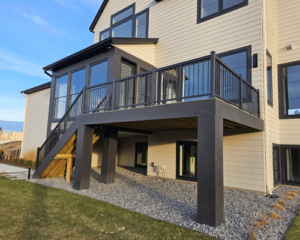
Economical Wood Material Options
Navigating the realm of economical wood options for your deck can be daunting, but you’ll find several affordable and durable choices that offer both aesthetic appeal and functionality. As part of our community, you seek relevance, value, and quality, so we’ve detailed five cost-effective wood options for your decking that don’t compromise on quality or style:
- Pressure-Treated Wood: It’s the most popular choice for decks due to its low cost, availability, and resistance to decay and bugs.
- Cedar: A softwood that’s more expensive than pressure-treated, but less than exotic hardwoods. It’s resistant to decay, but needs regular maintenance.
- Redwood: Similar to cedar in cost and durability, but offers a rich color and high-end look.
- Pine: Inexpensive and readily available, but requires more maintenance to prevent decay and insect damage.
- Bamboo: A relatively new and eco-friendly option. It’s strong, durable, and comparable in cost to more traditional woods.
Lastly, remember that while considering cost, you must also think about the long-term maintenance expenses, durability, and the aesthetic value of your chosen wood. It’s about finding the right balance for a deck that’s truly your own.
Affordable Composite Decking Choices
Diving into the world of affordable composite decking, you’ll discover a variety of options that not only fit your budget but also offer durability, ease of maintenance, and aesthetic appeal. Known for its long lifespan and resistance to extreme weather conditions, composite decking gives you the look and feel of natural wood without the upkeep.
Among the budget-friendly options are uncapped composites. They’re cheaper than their capped counterparts, but they’re still robust and easy to care for. You’ll find a range of colors and finishes to match your home’s style, giving your deck a personalized touch.
On the other hand, if you’re willing to spend a little more, consider capped composite decking. It comes with a protective shell that keeps the material safe from fading, staining, and mold. While it’s slightly more expensive, the added benefits make it a worthy investment.
Cost-Effective Synthetic Materials
Shifting your focus to synthetic materials, you’ll find numerous cost-effective options that offer impressive durability and require minimal maintenance. In the long run, these alternatives can be a wise investment, providing a beautiful deck that stands up to weather and wear, without breaking your budget.
Let’s look at several cost-effective synthetic materials you should consider:
- PVC (Polyvinyl Chloride) Decking: Extremely durable and resistant to rot and insects, PVC decking requires little maintenance and is resistant to stains and scratches.
- Polystyrene Decking: This lightweight yet durable material is resistant to weather, rot, and insects, and it’s easy to install.
- Polyethylene Decking: Known for its flexibility and durability, this material resists cracking, splitting, and warping.
- Polypropylene-Based Decking: Offering excellent UV protection and resistance to warping and fading, it’s a great choice for sunny areas.
- Composite Decking: A blend of wood and plastic, this option offers the look of wood without the maintenance.
Choosing the right synthetic decking material depends on your budget, aesthetic preferences, and the specific conditions your deck will face. By considering these factors, you’ll be able to create a beautiful, lasting outdoor space that fits within your budget.
Maximizing Savings With Recycled Materials
In addition to synthetic options, you can also significantly cut down your deck construction costs by utilizing recycled materials, which not only offer durability but also contribute towards a sustainable environment. It’s a win-win situation, really. You’re saving money and doing your part to reduce waste.
Recycled plastic, for instance, is an excellent material choice. It’s resistant to rot and insects, requires minimal maintenance, and lasts for years. You’re not just building a deck, you’re investing in a long-term addition to your home.
But why stop there? Consider reclaimed wood. It’s a resourceful way to tap into the rustic charm of aged lumber without contributing to deforestation. It’s a bit of an aesthetic compromise, but you’ll be part of a community that values sustainability over superficial shine.
You might be wondering about the cost-effectiveness of these materials. Well, you’ll be pleased to know that recycled materials often come at a fraction of the cost of new ones. Moreover, many retailers offer discounts on bulk purchases, which means you could save even more.