Understanding cannabis regulations can be challenging due to the confusing laws that vary by state and locality. This complexity can lead to legal issues if you’re unaware of the rules. However, staying informed helps you avoid pitfalls and promotes responsible usage within your community. Engaging with local advocacy groups offers support and guidance, ensuring you’re up-to-date on your rights and options. By educating yourself, you empower not just yourself, but those around you, leading to a safer community. There’s much more to explore on this topic.
Expert Highlights
- Cannabis regulations vary significantly by region, necessitating local awareness for compliance and safe usage.
- Medical cannabis requires a physician’s recommendation, while recreational use is generally accessible to adults without restrictions.
- Key components of cannabis law include cultivation, usage, and licensing, all of which require thorough research for legal adherence.
- Legal age for cannabis use is typically 21 for recreational, while medical access may allow younger users with a doctor’s recommendation.
- Awareness of common myths and future trends can enhance understanding and promote informed discussions around cannabis policies and cultural attitudes.
Essential Information on Cannabis Regulations
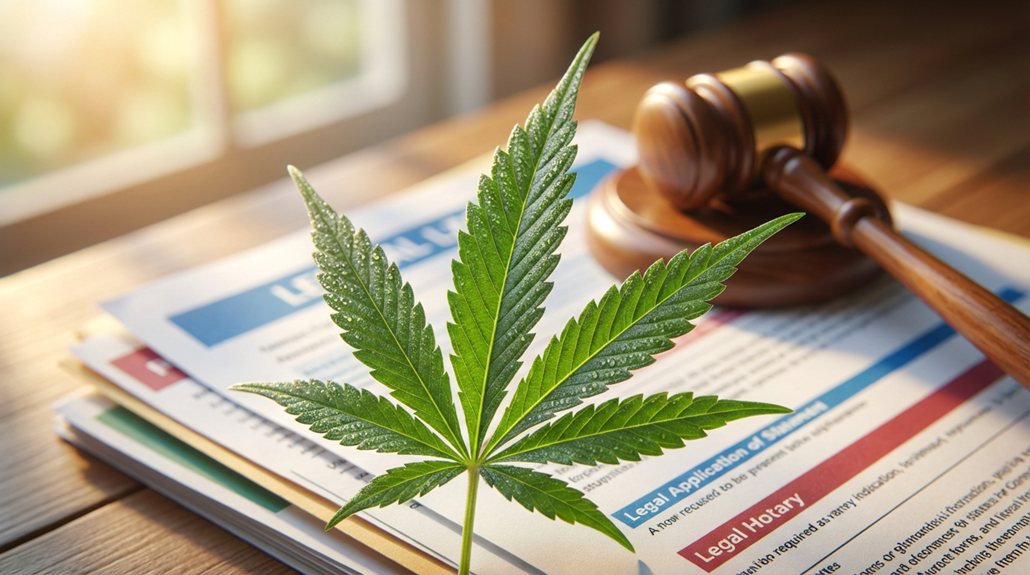
Why should you care about cannabis regulations? Understanding these laws is essential, especially if you’re looking to help your community. Cannabis regulations can be confusing, often differing from one region to another. You might face challenges, such as maneuvering through local laws or ensuring safe access for patients. These regulations protect against misuse and promote responsible use, fostering trust in this evolving industry. By staying informed, you can help educate others, providing vital guidance on topics such as patient rights and distribution methods. When you support compliant practices, you contribute to safer environments for all. That’s why being proactive about cannabis regulations can empower you to make a positive impact, helping others access the resources they need seamlessly.
Global Perspectives on Cannabis Regulations

When looking at cannabis regulations globally, you’ll notice that countries approach this issue in vastly different ways, often influenced by their unique cultural attitudes and legal frameworks. For instance, while some nations embrace legalization, viewing cannabis as a pathway to economic growth, others maintain strict prohibitions based on historical stigma. Understanding these international regulatory trends can help you navigate this changing landscape and make informed decisions about cannabis as it becomes more widely accepted.
International Legal Frameworks
As countries around the world grapple with the complexities of cannabis regulations, understanding international legal frameworks becomes essential for anyone seeking to navigate this often confusing landscape. The challenge lies in differing national laws, international treaties like the Single Convention on Narcotic Drugs, and the growing push for decriminalization. These differences create obstacles for businesses and individuals alike, complicating trade and personal use.
To overcome these challenges, staying informed is key. By closely following legal developments, you can better advocate for responsible practices and contribute to informed discussions. Engaging with local organizations helps solidify your understanding while fostering a sense of community. Ultimately, your awareness can lead to a more cohesive global stance on cannabis regulations, promoting safety and inclusivity for all.
Cultural Attitudes Towards Cannabis
While many countries are moving towards relaxed cannabis regulations, cultural attitudes play a significant role in shaping these laws and public perceptions. In many societies, longstanding stigmas attached to cannabis use can hinder progress, creating barriers to acceptance and education. For instance, negative views might prevent parents from discussing cannabis openly, leaving young adults to rely on misinformation.
To address these challenges, community leaders can foster open dialogues, encouraging discussions about the potential benefits and risks of cannabis use. By providing accurate information through workshops and seminars, they can help shift perceptions. As a result, more informed communities can advocate for sensible regulations that reflect their values and needs, ultimately paving the way for healthier discussions around cannabis.
Regulatory Trends Worldwide
Across the globe, countries are grappling with the complexities of cannabis regulations, often facing significant challenges due to differing cultural, economic, and political contexts. For instance, some nations view cannabis strictly as a public health issue, while others see it as a potential economic boon. These contrasting perspectives create confusion and inconsistency in laws, which can hinder access for patients and businesses alike. To address these challenges, governments can adopt clearer regulations that encompass both medical and recreational use, ensuring safety and accessibility. By fostering open dialogues among stakeholders, including consumers and health officials, countries can create balanced policies. Ultimately, these steps benefit everyone by promoting public health, boosting economies, and providing safe access to cannabis.
Core Cannabis Law Components: Cultivation and Use

Understanding the core components of cannabis law, especially regarding cultivation and use, can be challenging due to the diverse regulations that vary by state and locality. You might face hurdles like restrictions on how many plants you can grow or where you can consume cannabis. These complexities often lead to confusion about what’s legal in your area. To overcome this, it’s essential to research your specific local laws and seek guidance from reliable resources or community organizations. This proactive approach empowers you to cultivate cannabis responsibly and legally, promotes safe usage, and encourages information sharing within your community. By staying informed and compliant, you contribute positively to the conversation surrounding cannabis and help others navigate its landscape.
Medical vs. Recreational Cannabis Regulations Explained
Maneuvering the regulations surrounding medical and recreational cannabis can feel like trying to decode a complex puzzle, especially since laws differ vastly by location. Understanding the distinction between the two is essential for those looking to serve others effectively in this field.
Navigating cannabis regulations can be complex, with significant differences in medical and recreational use that vary by location.
- Medical cannabis often requires a physician’s recommendation.
- Recreational cannabis is typically available for adults over a certain age without a prescription.
- Medical use may include stricter access rules and lower potency limits.
- Recreational cannabis can have higher taxes and age restrictions.
Addressing these challenges means knowing the specifics in your area. By keeping informed, you empower those you serve to navigate their options wisely, ensuring they access the benefits of cannabis legally and safely.
Navigating State-Specific Cannabis Laws in the U.S
Steering through the maze of state-specific cannabis laws can feel overwhelming, especially when regulations vary so widely from one state to another. For instance, the legal age for purchasing cannabis might be 18 in one state but 21 in another, and some states have strict guidelines separating medical from recreational use, adding layers of complexity. To make informed decisions, it’s essential to research your state’s laws to avoid potential legal pitfalls and enjoy the benefits that cannabis can offer safely.
State Differences In Regulations
When it comes to cannabis regulations across the U.S., you might find that maneuvering through these laws can feel like walking through a maze. Each state has its own rules, creating confusion for those wanting to help others. Here are some key differences you may encounter:
- Legalization Status: Some states have fully legalized cannabis while others permit only medical use.
- Age Restrictions: The legal age for purchasing cannabis varies, often ranging from 18 to 21 years.
- Sales Tax Rates: States impose different taxes on cannabis sales, affecting the final price for consumers.
- Possession Limits: Each state has its own limits on how much cannabis you can possess at one time.
Understanding these differences is essential for fostering a compliant and supportive community.
Medical Vs. Recreational Cannabis
As you explore the landscape of cannabis laws in the U.S., distinguishing between medical and recreational use becomes essential, especially since these categories can deeply affect your access and rights. Medical cannabis often requires a doctor’s recommendation, allowing patients with serious health conditions heightened legal protection and access to specific strains with therapeutic benefits. On the other hand, recreational cannabis regulations focus on personal enjoyment, typically leading to less stringent requirements for purchase. However, maneuvering through these varying laws can be overwhelming. You can stay informed by researching your state’s specific guidelines and connecting with local advocacy groups. This approach not only empowers you but also fosters community awareness, ensuring others understand the available options and supporting those in need.
Legal Age Requirements
Understanding the legal age requirements for cannabis in your state can be essential, as failing to comply with these laws could lead to serious consequences. You might face legal penalties, including fines or even criminal charges. Each state has its own regulations, sometimes making it confusing to navigate. Here are key points to take into account:
- Most states set the legal age at 21 for recreational use.
- Some allow medicinal use for those younger than 21, often requiring a doctor’s recommendation.
- Age verification is typically required at dispensaries.
- Violations can lead to loss of access or criminal records.
Make sure to research your state’s specific laws, empowering yourself and others to promote responsible use within your community.
How Licensing Affects Your Cannabis Business
Licensing is a critical cornerstone of any cannabis business, shaping not only its legal standing but also its operational viability. Without the proper licenses, you risk hefty fines, legal action, or even closure, which can jeopardize your mission to serve others. The challenge is maneuvering through complex regulations that vary widely by state. However, you can address this by conducting thorough research and consulting with legal experts specializing in cannabis law. By obtaining the right licenses, you not only guarantee compliance but also build trust with your customers. This trust translates into credibility, enhancing customer loyalty and fostering a positive community impact. Ultimately, valid licenses empower you to focus on your core goals: educating clients, providing quality products, and improving lives.
Age, Location, and Access to Cannabis
Steering through the age restrictions surrounding cannabis can be intimidating, especially when you’re keen to purchase or partake in its benefits. It’s crucial to understand that age restrictions vary by state, affecting access to legal products.
- In many places, you must be 21 or older to buy cannabis.
- Some jurisdictions allow medical use for younger individuals with prescriptions.
- Local zoning laws can restrict where you can buy cannabis products.
- Always check if your residence allows retail sales or only personal cultivation.
Navigating these regulations guarantees you respect the law while also accessing cannabis safely. Staying informed not only empowers you but also helps foster a responsible approach within your community, promoting safer practices for everyone involved.
Debunking Myths About Cannabis Laws
While it might seem easy to believe some common misconceptions about cannabis laws, these myths can lead to misinformed decisions that could have serious consequences. For example, many think that cannabis is legal everywhere, but in reality, laws vary greatly by state and local jurisdiction. This misunderstanding can result in facing fines or even criminal charges. Another myth is that using cannabis won’t affect employment; however, many employers still enforce drug-free policies. To combat these issues, always check your local laws and communicate openly with your employer about their policies. By educating yourself and others, you can create a more informed community that supports responsible use and adherence to regulations, ultimately fostering a safer environment for everyone.
Future Trends in Cannabis Law and Policy?
As we move forward from addressing the misunderstandings surrounding cannabis laws, it’s important to contemplate what the future holds for cannabis regulation and policy. You might face challenges like evolving state laws, competing interests, and public perception. However, understanding these trends can help you navigate the shifting landscape effectively.
- Increased federal legalization discussions
- Enhanced regulations for product safety and quality
- Greater emphasis on social equity in licensing
- A potential rise in research-backed benefits of cannabis
Frequently Asked Questions
What Are Common Penalties for Cannabis Law Violations?
Common penalties for cannabis law violations can include fines, community service, probation, or imprisonment. You’ll face harsher consequences for larger quantities or repeat offenses, so staying informed and compliant is essential for everyone’s well-being.
How Do Cannabis Laws Differ Between Urban and Rural Areas?
Cannabis laws can vary considerably; urban areas often have stricter regulations and higher enforcement, while rural regions may permit more leniency. You’ll want to explore local ordinances to confirm compliance and community understanding.
Can Cannabis Products Expire or Lose Potency?
Yes, cannabis products can expire and lose potency over time. Proper storage in a cool, dark place helps maintain freshness. Always check for changes in color, smell, or texture before serving to others.
What Insurance Options Are Available for Cannabis Businesses?
You’ve got several insurance options for your cannabis business, including liability, property, and product liability insurance. These options help protect you from financial risks while ensuring you can serve your customers safely and effectively.
How Can I Legally Transport Cannabis Across State Lines?
You can’t legally transport cannabis across state lines, even between legal states. Instead, focus on understanding each state’s regulations and consider local alternatives for obtaining cannabis to guarantee compliance with the law.