Are you struggling to create an inviting outdoor space that suits the Minneapolis-St. Paul climate? Hiring a skilled landscape designer can help. They bring professional expertise and local knowledge, ensuring your garden thrives year-round with native plants that require less maintenance. By evaluating your unique needs and preferences, a designer can transform your yard into a beautiful, functional oasis. Discover more about how to choose the right designer and make your landscape sustainable for lasting enjoyment.
Expert Highlights
- Research designers in Minneapolis-St. Paul to find ones with experience in local landscape styles and climate considerations.
- Review portfolios to ensure alignment with your design preferences, focusing on popular styles like modern minimalism and native plant landscapes.
- Verify designers’ communication skills to accurately convey your vision and expectations throughout the project.
- Discuss budgeting early on to identify essential features and avoid unexpected expenses during your landscaping project.
- Consider starting with small projects to assess compatibility with potential landscape designers before committing to larger designs.
What to Consider Before Hiring a Landscape Designer?

When you’re thinking about hiring a landscape designer, what factors should you weigh to guarantee you make the best choice? First, consider their experience—how long have they been turning backyards into botanical wonders? A rookie might just give you a pile of rocks and call it modern art! Next, check their portfolio. Are their designs vibrant and inviting or more like a scene from a scary movie? Costs are essential too; you wouldn’t want to find out you’ve bankrolled a designer’s trip to Bali! Finally, communication matters. Can they understand your vision without you drawing stick figures? By considering these aspects, you’ll sidestep potential disasters and instead create a garden that’ll make your neighbors envious—and maybe a bit jealous!
Top Advantages of Hiring a Landscape Designer
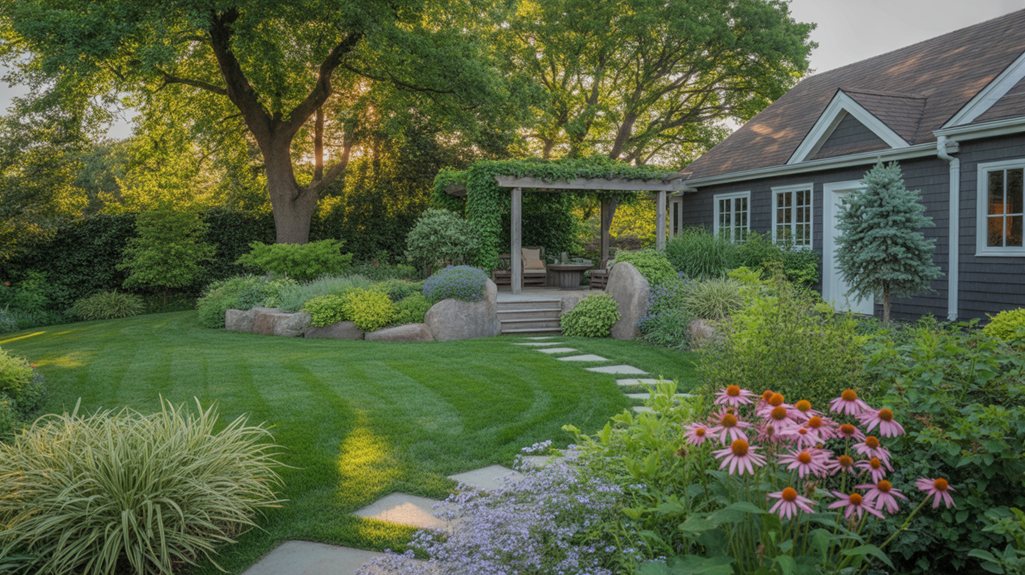
When you’re trying to improve your outdoor space, it can feel overwhelming to figure out what to do. Hiring a landscape designer brings professional expertise and tailored solutions, ensuring you make the most of your property’s potential. Plus, their experience can save you time and money, turning your vision into reality without the headaches of trial and error.
Professional Expertise and Knowledge
Transforming your outdoor space into a beautiful and functional landscape often feels overwhelming, especially with the myriad of design choices and plant selections available. It’s like choosing a favorite child—impossible! You might face challenges like:
- Selecting the Right Plants: You don’t want a garden full of plants that play hide-and-seek.
- Understanding Soil Types: Not all soil is created equal, and your plants will thank you for knowing their preferences.
- Considering Climate Conditions: Some plants require sunbathing, while others prefer the shade—know their moods!
- Designing for Functionality: You want beauty, but practicality matters too; your garden shouldn’t double as an obstacle course.
Hiring a landscape designer solves these challenges, as they possess the expertise to navigate this complex maze of choices.
Customized Design Solutions
One significant advantage of hiring a landscape designer is their ability to provide customized design solutions tailored to your unique outdoor space. You might face challenges like uneven terrain, poor drainage, or a lackluster garden; a designer knows how to turn these issues into an oasis. They assess factors like sunlight, soil quality, and your preferences—yes, even your secret love for gnome statues—to create a plan that fits perfectly. Imagine transforming that dull patch of grass into a vibrant seating area, complete with colorful plants that make your neighbors green with envy. By having a professional in your corner, you’re not just planting flowers; you’re ensuring your landscape becomes the envy of the block, or at least a lovely retreat for weekend barbecues!
Time and Cost Efficiency
Efficiency is essential when it comes to managing your outdoor projects. You’ve got a vision, but juggling time and money isn’t always easy. Hiring a landscape designer can save you both. Here’s how:
- Expert Planning: Designers map out your project quickly, preventing costly mistakes.
- Resource Management: They know where to source plants and materials at good prices, so you don’t have to hunt high and low.
- Time-Saving Techniques: Professionals schedule tasks effectively, getting your outdoor oasis ready before you can say “why is my grass brown?”
- Budget Flexibility: They help prioritize your spending, making sure your wallet doesn’t go on a diet without your approval.
Understanding the Twin Cities Climate for Your Landscape
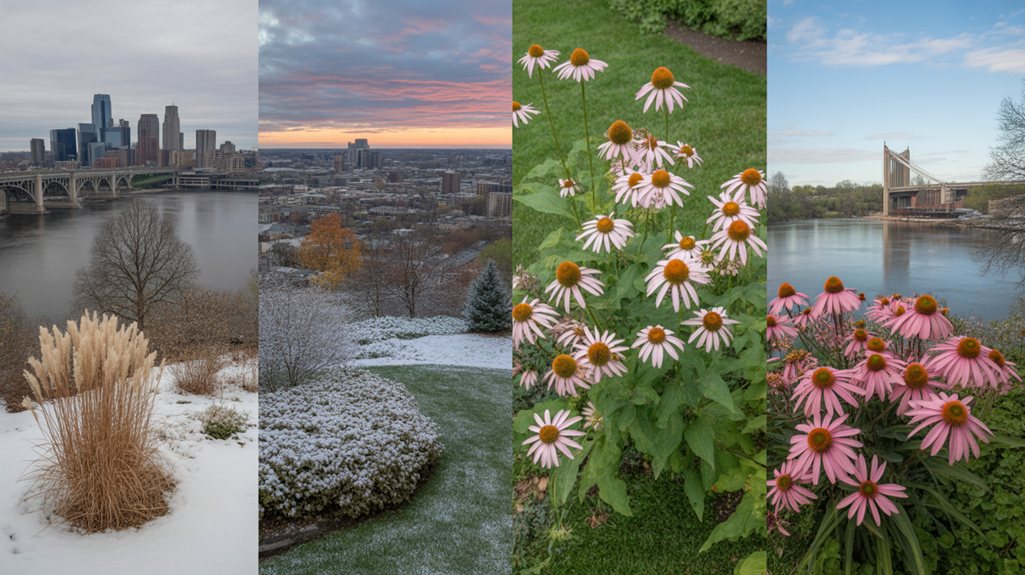
As you plan your landscape in the Twin Cities, understanding the local climate is essential, since the shifting weather patterns can greatly influence your choices. The Midwest is famous for its dramatic seasons—hot summers can turn flowers into wilting patches, while harsh winters might leave your prized plants wondering if they’re in a freezer. To combat these challenges, consider selecting hardy, native plants that thrive in Minnesota’s climate. Evergreens can withstand snow loads while providing color during winter’s gloom. Also, investing in good drainage can protect your garden from the soggy aftermath of spring thaws. By adapting to the unique climate, you’ll create a landscape that doesn’t just survive but thrives, giving you a vibrant yard year-round and minimizing your effort!
Popular Landscape Styles in Minneapolis-St. Paul
When creating your landscape in the Minneapolis-St. Paul area, you may feel overwhelmed by the variety of styles available. From modern minimalist aesthetics that emphasize clean lines and simplicity to native plant landscapes that promote sustainability and biodiversity, there’s something for everyone; classic cottage gardens also offer a charming touch with their lush blooms. Recognizing the unique features of each style can help you make informed choices that enhance both your home and the local environment.
Modern Minimalist Aesthetics
While creating an inviting outdoor space may seem intimidating, embracing modern minimalist aesthetics can transform your landscape into a serene retreat that requires less maintenance and enhances your home’s overall appeal. You don’t need to be an artist to make it work! Start with these four simple principles:
- Clean Lines: Focus on geometric shapes; think rectangles and squares, not squiggly shapes.
- Limited Color Palette: Stick to two or three colors for a cohesive look—less is definitely more!
- Functional Plants: Incorporate low-maintenance plants that fit the minimalist vibe. Think succulents, not jungles!
- Open Spaces: Leave room for breathing; your plants will appreciate the personal space!
With these tips, your minimalist garden will impress neighbors and give you more time for lounging.
Native Plant Landscapes
In the Minneapolis-St. Paul area, native plant landscapes are like superheroes for your yard. They swoop in to rescue local ecosystems and save you from high-maintenance gardens. The challenge? Traditional gardens can require constant watering and heavy fertilizers—talk about a workout! But native plants, such as prairie coneflowers and black-eyed Susans, thrive in our climate, attracting pollinators while conserving water. You get a colorful garden that’s low on upkeep. Plus, you’ll be that neighbor with the eco-friendly yard, earning instant respect. By opting for these native species, you’re not just beautifying your space—you’re making a statement. So why not transform your yard into a vibrant ecosystem where the only drama is between the butterflies?
Classic Cottage Gardens
Classic cottage gardens offer a timeless appeal that many homeowners in the Minneapolis-St. Paul area adore. However, creating this charming look can be a challenge. You want it filled with vibrant flowers, but how do you organize all those plants without it looking like a botanical explosion? Here are four tips to help you create your perfect cottage garden:
- Choose a mix of perennials and annuals for continuous blooms.
- Incorporate a pathway to add structure and invite exploration.
- Add whimsical elements, like garden gnomes or rustic benches, for character.
- Use natural materials like stones and wood to enhance the charm.
With a little planning, you’ll cultivate a garden that feels like a retreat right at home—without a gnome army invading your space!
Choosing the Right Landscape Designer for Your Project
How do you find the perfect landscape designer for your project amidst the many options available? It’s like finding a needle in a haystack—if that needle could potentially transform your yard into a botanical wonderland! First, consider what you want. Do you dream of a wildflower meadow or a neatly trimmed English garden? Next, check their portfolio. A designer’s past work should make your heart flutter, not your wallet gasp in horror. Don’t forget to read reviews; people love ranting or raving—there’s gold in those nuggets. Finally, interview candidates to see if you vibe with them; you’ll be working closely, and awkward silences don’t lead to lush gardens! Make your choice wisely, and watch your outdoor space blossom!
Key Elements of Successful Landscape Design
Successful landscape design combines various key elements that can transform a mundane outdoor area into a breathtaking haven. You’ve got some challenges to tackle, but don’t worry; here’s how to conquer them:
- Functionality: Make sure your outdoor space meets your needs—don’t just wing it!
- Aesthetics: Choose colors and textures that play well together. Your yard isn’t an art gallery, but let’s not make it a circus either!
- Plant Selection: Pick plants that thrive in your climate—no one likes a sad-looking garden.
- Hardscaping: Incorporate paths, patios, or walls; they provide structure while giving your greenery room to shine.
Making Your Landscape Sustainable: Easy Tips
Have you ever considered how your landscape can contribute to a healthier environment? You might not realize it, but your garden could be a superhero in the fight against climate change! Start by choosing native plants that require less water and are easier to maintain. They’re like the couch potatoes of the plant world—low effort, high reward! Adding mulch helps retain moisture and keeps pesky weeds at bay, so your weekends can be spent relaxing instead of weeding. Consider rain gardens to manage stormwater and support local wildlife. Finally, using organic fertilizer and compost not only enriches your soil but also keeps chemicals out of local waterways. With these tips, you’ll create a gorgeous landscape that Mother Nature would be proud of!
Creating Year-Round Functional Outdoor Spaces
While many people envision their outdoor spaces as seasonal retreats, creating functional areas that serve you year-round can transform how you enjoy your home. It’s time to tackle the challenge of making your landscape multi-functional, so you can enjoy it on chilly winter evenings just as much as sunny summer days. Here are four ideas to get you started:
- Fire pit area – Create a cozy gathering spot for friends to toast marshmallows, even in winter.
- Covered patio – Add a roof or pergola to shield you from summer sun or a light drizzle.
- Outdoor kitchen – Cook al fresco with a grill or a full kitchen setup for those great summer barbecues.
- Seasonal plant options – Choose plants that thrive in all conditions, keeping your space lively year-round.
With creativity, your outdoor space can be the envy of the neighborhood, no matter the season!
The Role of Local Plant Knowledge in Landscaping
Understanding local plant knowledge is essential for creating a stunning and sustainable landscape in Minneapolis-St. You might think planting anything that looks good is fine, but choosing the wrong flora can lead to a botanical disaster. Ever seen a struggling shrub surviving in the shadow of a too-tall tree? That’s the kind of drama you can avoid. By familiarizing yourself with native plants, you’ll not only guarantee they thrive in our climate, but you’ll also attract local wildlife, which adds vibrant life to your garden! Plus, local plants usually require less water and care, so you’ll save time and effort. In short, knowing your plants guarantees your landscape isn’t just beautiful but also practical and harmonious with the surroundings.
How to Effectively Budget Your Landscape Project
When planning your landscape project, it’s vital to set clear goals before you start spending money. By accurately estimating costs and prioritizing essential features, you’ll avoid common pitfalls like overspending on items that aren’t as important. This approach not only keeps your budget in check but also guarantees you create an outdoor space that truly reflects your vision.
Set Clear Goals
Setting clear goals is essential for budgeting your landscape project effectively, as it helps you stay focused and avoid overspending. Without goals, you could end up planting a forest in your backyard with a budget meant for a herb garden—yikes! Here’s how to define your objectives:
- Determine Your Priorities: Decide what matters most—flowers, functionality, or fancy features?
- Set a Timeline: Outline when you want your project completed, so you’re not waiting forever.
- Define Your Style: Are you aiming for a peaceful zen garden or a wild party space?
- Outline Maintenance Needs: Think about how much upkeep you’re willing to handle—because a jungle is nearly always unruly!
Addressing these goals can lead to a happier outdoor environment and a wallet that laughs instead of cries.
Estimate Costs Accurately
You’ve got your landscape goals set, but figuring out how to stick to your budget is where many people find themselves in a mess. Start by estimating costs accurately to avoid any surprises—like you discovering your budget’s been devoured by that fancy stone pathway you didn’t see coming!
| Item | Estimated Cost |
|---|---|
| Plants | $200 |
| Soil & Mulch | $150 |
| Hardscaping | $750 |
| Labor | $500 |
To budget effectively, break down each element, then add a cushion for unexpected expenses. You’ll have a better shot at thriving greenery instead of a financial jungle. Stick with your estimates, and you won’t end up in “What was I thinking?” territory!
Prioritize Essential Features
While it might seem tempting to envision a sprawling garden filled with all your dream features, focusing on essential aspects of your landscape project is crucial for staying within budget. You don’t want to end up with a yard that rivals an amusement park—unless you’re planning to charge admission! Here’s how to prioritize:
- Define Your Goals: What do you want? A relaxing retreat or a party pad?
- Consider Functionality: Will you use the space for entertaining, play, or gardening?
- Set Boundaries: Limit your features to avoid breaking the bank (or the HOA rules).
- Plan for Maintenance: Choose elements that won’t turn your weekends into yardwork marathons.
Frequently Asked Questions
How Long Does a Typical Landscape Design Project Take?
Typically, a landscape design project takes about 4 to 12 weeks. But don’t worry, your garden’s not going anywhere! It’ll just be practicing its patience while you dream up the perfect outdoor paradise.
What Is the Average Cost of Hiring a Landscape Designer?
Hiring a landscape designer usually costs between $50 to $150 per hour, depending on their expertise. So, it’s like paying a therapist to help your garden learn to express itself—without all the emotional baggage!
Do Landscape Designers Provide Maintenance Services After Installation?
Most landscape designers don’t offer maintenance services after installation, but they can recommend a trusty sidekick to take care of your greenery. Think of it as a garden’s personal trainer—minus the sweat!
Can Landscape Designers Help With Zoning or Permit Issues?
They can help navigate zoning or permit issues, saving you from hair-pulling headaches. Just think of them as your friendly guides through the bureaucratic jungle—without the need for machetes or survival kits!
What Qualifications Should I Look for in a Landscape Designer?
When scouting a landscape designer, look for creativity, experience, and a knack for plants. A good sense of humor helps too—after all, you don’t want dead plants or dull conversations in your yard!