Proper excavation for egress windows is essential for safety, but it comes with challenges. Missteps can lead to unsafe exits, structural damage, and hefty fines. We must adhere to local building codes, ensuring the window’s size and placement meet requirements. Using the right tools, like sturdy shovels and levels, helps avoid common mistakes. Additionally, evaluating soil conditions and implementing drainage solutions can prevent water issues. By understanding these factors, we can create safer environments for our loved ones and enhance our homes. There’s more to explore on this important topic.
Expert Highlights
- Ensure egress windows meet local building codes, including minimum size and operable opening mechanisms, for safety compliance.
- Plan an unobstructed escape path to the window to facilitate quick evacuation during emergencies.
- Use appropriate excavation tools, like shovels and pickaxes, and wear necessary safety gear to prevent injuries.
- Implement effective drainage solutions to manage water flow and prevent pooling around the window area.
- Consider hiring a professional for challenging excavation conditions to ensure compliance and minimize risks.
What Is an Egress Window and Why Is It Important?

When we think about safety in our homes, especially in basements or other below-ground spaces, one aspect that often gets overlooked is the egress window. This essential feature serves as an emergency exit, providing a safe route for anyone trapped inside during a fire or other emergencies. Without it, we risk serious injury or tragedy. However, many of us don’t realize egress windows also allow for natural light and ventilation, enhancing our living spaces. If we install one, we’re not just protecting our loved ones but also increasing the value of our homes. By prioritizing this improvement, we take a proactive step towards ensuring safety and comfort in our homes, fostering a supportive environment for our families and friends.
Understanding Local Building Codes for Egress Windows
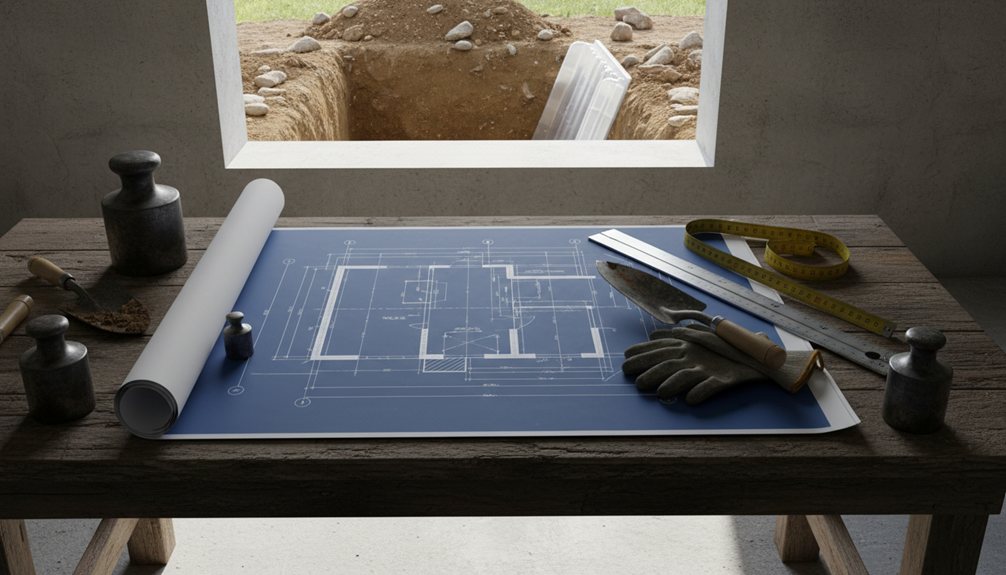
When we think about installing egress windows, understanding local building codes is essential for ensuring our safety and compliance. Many codes outline important requirements, like minimum window sizes and proper placement, which help prevent dangerous situations in emergencies. By adhering to these guidelines, we can create a safe environment while also boosting our property value, making it a win-win situation.
Importance Of Compliance
Understanding local building codes for egress windows is essential, not only for compliance but also for guaranteeing everyone’s safety. When we overlook these codes, we expose ourselves and others to significant risks—like improper exits during emergencies. This can lead to severe consequences. The good news is that adhering to these regulations helps us create safe living spaces for our families and friends. We’ve got a responsibility to prioritize safety, so let’s familiarize ourselves with local building codes. For instance, knowing the required size for egress windows can prevent potential tragedies. By following the guidelines, we guarantee that every person can escape quickly and securely in case of an emergency, fostering peace of mind for ourselves and those we love.
Key Code Requirements
Many of us might not think about window safety until it’s too late. Understanding the key code requirements for egress windows is essential. Local building codes dictate the minimum standards we must follow, ensuring we create safe environments for our loved ones.
| Requirement | Details |
|---|---|
| Minimum Size | Egress windows must be at least 20 inches wide, 24 inches tall. |
| Opening Mechanism | Must be operable without special tools or keys. |
| Escape Path | The pathway to the window should be clear and unobstructed. |
Must-Have Tools for Safe Egress Window Excavation

Excavating for an egress window requires more than just determination; it demands the right tools to guarantee safety and effectiveness. First, a sturdy shovel helps us dig into the earth safely, while a pickaxe can break through harder soil. We’ll also need a level to make sure our window will be properly aligned, preventing potential water issues later. A measuring tape is essential for accuracy, helping us adhere to code requirements. Finally, safety gear—gloves, hard hats, and eye protection—protects us from injuries during excavation. When we use the proper tools, we mitigate risks, assure compliance, and create a secure environment that prioritizes safety for everyone involved. Remember, investing in quality tools today leads to safer, more efficient work tomorrow.
Step-by-Step Guide for Egress Window Excavation
As we prepare to tackle the excavation for an egress window, we might encounter several challenges that can complicate the process, such as dealing with uneven soil or adhering to local building codes. First, we should mark the area clearly, guaranteeing we comprehend the dimensions needed for safety and functionality. Next, we’ll begin excavation, removing soil carefully to maintain the desired depth and width. Keep checking for any obstacles, such as roots or rocks, which could hinder progress. It’s essential to maintain proper angles in the excavation to encourage drainage. Throughout this process, using our tools effectively will verify we create a safe environment. By following these steps, we promote safety while completing a necessary home improvement project.
Water Intrusion Prevention Techniques During Excavation
During the excavation process, one of our primary challenges involves managing water intrusion, which can lead to structural damage and mold growth if not addressed properly. We’ve seen how water can seep in, causing not only costly repairs but also health issues for those who occupy the space. To tackle this, we can implement several effective techniques. First, we could establish proper drainage systems around the excavation site to redirect water away. Additionally, using a waterproof barrier during the process can considerably reduce moisture exposure. Installing sump pumps can help actively manage groundwater levels. By taking these steps, we guarantee a safer environment, protecting our work and the well-being of future occupants from potential hazards related to water intrusion.
Evaluating Soil Conditions for Egress Window Excavation
When we consider installing egress windows, it’s essential to evaluate the soil conditions where we’ll be excavating. Different soil types can appreciably impact drainage and stability, potentially leading to water issues if not properly addressed. By performing a soil type analysis, we can make informed decisions, ensuring that our egress window not only meets safety standards but also functions effectively for years to come.
Soil Type Analysis
Understanding the soil type where we plan to excavate for an egress window is essential for safety and stability. Different soils, like clay, sandy, or loamy, behave differently under pressure. Clay, for instance, can retain water, leading to potential instability, while sandy soil drains better but may lack cohesion. If we fail to evaluate these conditions, we risk creating dangerous situations, such as wall collapses or poor drainage. To mitigate these risks, we should conduct a soil test, measuring its drainage and load-bearing capacity. This approach guarantees we’ve chosen a safe strategy for excavation, ultimately providing a secure environment for those using the egress window. By taking these steps, we not only protect ourselves but also serve those who will rely on our decisions.
Drainage Considerations
Proper drainage is essential for the safety and effectiveness of an egress window; neglecting it can lead to serious issues. When we excavate, we may encounter soil that retains water, which can create a pooling problem around our window. This excess moisture can lead to structural damage or mold growth, putting everyone at risk. To address this, we must assess our soil conditions carefully. Installing drainage systems, like French drains, can redirect water away from the window area. Additionally, we should regularly maintain these systems, ensuring they remain clear of debris. By prioritizing proper drainage, we protect our loved ones and enhance the safety of our homes, ultimately providing peace of mind for all who use those egress windows.
Top 5 Mistakes to Avoid During Egress Window Excavation
Excavating for an egress window can be a straightforward project, but there are several common pitfalls that can turn it into a serious headache. We want to help you avoid these mistakes to guarantee safety and compliance.
| Mistake | Consequence | Solution |
|---|---|---|
| Ignoring local codes | Fines and delays | Research zoning regulations |
| Inadequate drainage solutions | Water pooling near the home | Install proper drainage systems |
| Underestimating excavation depth | Failed inspections | Measure accurately before digging |
| Neglecting soil stability | Risk of collapse | Check soil conditions beforehand |
| Rushing the project | Mistakes in measurements | Take your time and double-check |
When to Hire a Professional for Egress Window Excavation
While many homeowners may feel confident tackling egress window excavation on their own, there are instances where hiring a professional is the smartest choice we can make. For instance, if the excavation site is close to the foundation or involves challenging terrain, we should definitely consider professional help. These experts come equipped with the right tools and experience, minimizing the risk of damaging our property or harming ourselves. Additionally, professionals understand local building codes, ensuring our installation is safe and compliant. Ultimately, investing in a professional can save us time, reduce stress, and enhance the safety of our home. Let’s prioritize safety and efficiency by recognizing when it’s best to reach out to a qualified specialist for egress window excavation.