Budget-Friendly Options for Deck Construction Materials

Budget-Friendly Options for Deck Construction Materials

For budget-friendly deck construction materials, consider pressure-treated wood. It’s popular, economical, and resistant to infestations. Alternatively, try composite decking, an affordable choice offering durability and various color options. Synthetic decking materials like polyethylene and PVC are also cost-effective, boasting high durability and resistance to rot and insects. You can also maximize savings using recycled materials like reclaimed wood or recycled plastic, offering you a combination of sustainability and value for money. Don’t forget, the final decision on materials also depends on your deck’s location, size, and purpose. So ensure to factor in these into your selection for that perfect deck.

Assessing Your Deck Needs

Before jumping into purchasing materials, it’s essential to thoroughly assess your deck needs, considering factors such as its intended use, size, location, and your budget. You’re building a space that speaks to your lifestyle, a place where you can relax, entertain, or enjoy the outdoors. It’s not just about slapping together some planks; it’s about creating a sanctuary that fits into your life seamlessly.

Think about the purpose of your deck. Will it be used for large gatherings or intimate family dinners? This will dictate its size. Consider also its location. Will it be exposed to harsh weather or intense sunlight? These factors will determine the type of materials needed, affecting the overall cost.

And let’s not forget budget – it’s key to establishing realistic expectations. You don’t want to fall in love with an idea only to discover it’s financially out of reach. Setting a budget early on helps prevent disappointment and keeps the project on track.

deck build

Economical Wood Material Options

Navigating the realm of economical wood options for your deck can be daunting, but you’ll find several affordable and durable choices that offer both aesthetic appeal and functionality. As part of our community, you seek relevance, value, and quality, so we’ve detailed five cost-effective wood options for your decking that don’t compromise on quality or style:

  • Pressure-Treated Wood: It’s the most popular choice for decks due to its low cost, availability, and resistance to decay and bugs.
  • Cedar: A softwood that’s more expensive than pressure-treated, but less than exotic hardwoods. It’s resistant to decay, but needs regular maintenance.
  • Redwood: Similar to cedar in cost and durability, but offers a rich color and high-end look.
  • Pine: Inexpensive and readily available, but requires more maintenance to prevent decay and insect damage.
  • Bamboo: A relatively new and eco-friendly option. It’s strong, durable, and comparable in cost to more traditional woods.

Lastly, remember that while considering cost, you must also think about the long-term maintenance expenses, durability, and the aesthetic value of your chosen wood. It’s about finding the right balance for a deck that’s truly your own.

Affordable Composite Decking Choices

Diving into the world of affordable composite decking, you’ll discover a variety of options that not only fit your budget but also offer durability, ease of maintenance, and aesthetic appeal. Known for its long lifespan and resistance to extreme weather conditions, composite decking gives you the look and feel of natural wood without the upkeep.

Among the budget-friendly options are uncapped composites. They’re cheaper than their capped counterparts, but they’re still robust and easy to care for. You’ll find a range of colors and finishes to match your home’s style, giving your deck a personalized touch.

On the other hand, if you’re willing to spend a little more, consider capped composite decking. It comes with a protective shell that keeps the material safe from fading, staining, and mold. While it’s slightly more expensive, the added benefits make it a worthy investment.

Cost-Effective Synthetic Materials

Shifting your focus to synthetic materials, you’ll find numerous cost-effective options that offer impressive durability and require minimal maintenance. In the long run, these alternatives can be a wise investment, providing a beautiful deck that stands up to weather and wear, without breaking your budget.

Let’s look at several cost-effective synthetic materials you should consider:

  • PVC (Polyvinyl Chloride) Decking: Extremely durable and resistant to rot and insects, PVC decking requires little maintenance and is resistant to stains and scratches.
  • Polystyrene Decking: This lightweight yet durable material is resistant to weather, rot, and insects, and it’s easy to install.
  • Polyethylene Decking: Known for its flexibility and durability, this material resists cracking, splitting, and warping.
  • Polypropylene-Based Decking: Offering excellent UV protection and resistance to warping and fading, it’s a great choice for sunny areas.
  • Composite Decking: A blend of wood and plastic, this option offers the look of wood without the maintenance.

Choosing the right synthetic decking material depends on your budget, aesthetic preferences, and the specific conditions your deck will face. By considering these factors, you’ll be able to create a beautiful, lasting outdoor space that fits within your budget.

Maximizing Savings With Recycled Materials

In addition to synthetic options, you can also significantly cut down your deck construction costs by utilizing recycled materials, which not only offer durability but also contribute towards a sustainable environment. It’s a win-win situation, really. You’re saving money and doing your part to reduce waste.

Recycled plastic, for instance, is an excellent material choice. It’s resistant to rot and insects, requires minimal maintenance, and lasts for years. You’re not just building a deck, you’re investing in a long-term addition to your home.

But why stop there? Consider reclaimed wood. It’s a resourceful way to tap into the rustic charm of aged lumber without contributing to deforestation. It’s a bit of an aesthetic compromise, but you’ll be part of a community that values sustainability over superficial shine.

You might be wondering about the cost-effectiveness of these materials. Well, you’ll be pleased to know that recycled materials often come at a fraction of the cost of new ones. Moreover, many retailers offer discounts on bulk purchases, which means you could save even more.

Professional Deck Building Services

Professional Deck Building Services

Are you ready to transform your backyard into a stunning outdoor oasis? Look no further than professional deck building services! Whether you’re searching for “deck contractors near me” or “best deck contractors,” there are skilled professionals ready to bring your vision to life.

The Benefits of Hiring a Residential Deck Contractor

When it comes to building a deck, it’s essential to work with experienced “deck builders” or “affordable deck builders near me.” These experts have the knowledge and skills to create a beautiful and functional outdoor living space tailored to your specific needs and preferences.

One of the key advantages of hiring a professional is their expertise in deck design services. They can help you navigate the wide range of options, from “composite deck contractors near me” to “Trex deck builders near me,” and guide you through the process of selecting the perfect materials for your project.

Custom Deck Construction: Bringing Your Vision to Life

“Custom deck construction” is all about creating an outdoor living space that reflects your unique style and enhances your home’s aesthetic. Professional deck builders work closely with you to understand your goals and develop a design that seamlessly integrates with your existing landscape.

From “deck material selection” to “deck installation techniques,” your contractor will ensure that every aspect of your project is carefully considered and executed to the highest standards. They can incorporate features like “outdoor entertainment areas,” “deck safety features,” and “landscape integration” to create a cohesive and inviting space.

deck build

Expanding Your Outdoor Living Possibilities

In addition to traditional decks, professional builders can help you explore a variety of outdoor living options. “Patio and deck combination” designs offer the best of both worlds, while “multi-level deck designs” create distinct spaces for different activities.

If you love to entertain, consider incorporating an “outdoor kitchen integration” or built-in seating areas. “Deck lighting and accessories” can add ambiance and extend the usability of your space into the evening hours.

Ensuring Quality and Safety

When working with a professional deck contractor, you can rest assured that your project will be completed to the highest standards of quality and safety. They adhere to “building code compliance” regulations and can recommend “sustainable decking options” that are both eco-friendly and durable.

Your contractor will also provide guidance on “deck maintenance and repair” to help you keep your outdoor living space in top condition for years to come.

The Professional Deck Building Process

The deck building process begins with a “client consultation,” where your contractor will listen to your ideas and help you refine your vision. They will then develop a detailed design plan and provide you with a comprehensive project timeline and cost estimate.

Throughout the construction process, your contractor will provide “project management” services to ensure that every aspect of your deck is completed on time and within budget. They will also work with you to incorporate “aesthetic customization options” and “weather-resistant materials” to create a beautiful and long-lasting outdoor living space.

Accessibility and Inclusion

Professional deck builders can also incorporate “accessibility features” like ramps and railings to ensure that your outdoor living space is welcoming and usable for everyone. They can create designs that are both beautiful and functional, allowing everyone to enjoy your new deck.

Elevate Your Outdoor Living Experience Today

Ready to take the first step towards your dream outdoor living space? Contact a professional deck building service today to schedule your consultation and start bringing your vision to life. With their expertise and dedication to quality, you’ll soon be enjoying a beautiful and functional deck that enhances your home and your lifestyle.

Be the Change You Seek: Careers Advancing Democratic Values

You’re passionate about democracy, right? You’ve got the drive, but where do you start? Let’s explore careers that strengthen democratic values. From political science to social justice, journalism to non-profit work, and educational roles, you’ll find paths where you’ll not only fit in, but also make a real difference. Ready to be the change you seek? Let’s dive in.

Understanding Democratic Values

Before you dive into careers advocating for democratic values, you’ll need to get a firm grasp on what these principles truly encompass. The heart of democracy lies in the belief that power and governance should reside with the people. It’s about upholding the rights and freedoms of individuals, ensuring justice, and promoting equality.

You’ll find that democratic values aren’t contained within a one-size-fits-all box. They’re fluid, evolving with societal changes and advancements. They’re open to interpretation, with different societies emphasizing different aspects. However, some core principles remain consistent. These include freedom of speech, respect for human rights, the rule of law, and free and fair elections.

Democracy isn’t just about having the right to vote. It’s about having the right to express your views without fear, the right to be informed, and the right to hold your leaders accountable. It’s about ensuring that power isn’t concentrated in the hands of a few, but widely distributed among the many.

As you contemplate a career advocating for these values, you’ll need to understand that your role isn’t just about preserving these principles, but promoting their growth and evolution. It’s about challenging the status quo, pushing for reforms, and ensuring that democratic values keep pace with societal changes.

Careers in Political Science

Now, if you’re keen on championing these democratic values, a career in political science might just be your calling. This field offers an array of avenues through which you can contribute to societal transformation, each with its unique challenges and rewards.

A career in political science isn’t just about becoming a politician. You might find your niche as a political analyst, helping organizations and governments make sense of political events and trends. You’d be using your skills to understand complex political situations and offer insightful recommendations.

You could also consider a role as a policy analyst. Here, you’d be at the heart of shaping public policy, using your understanding of political systems and processes to craft policies that uphold democratic principles. You’d be the person making sure that the voice of the people is heard and their interests represented in the policies that are made.

For those with a flair for communication, a career as a political correspondent might be appealing. In this role, you’d be the bridge between politics and the public, conveying the intricacies of political happenings in a way that’s accessible and engaging.

A career in political science is about more than just a job; it’s about being a part of something bigger. It’s about using your skills and passion to make a difference, to advance democratic values and contribute to the betterment of society. So, if you’re interested in politics, passionate about democracy, and eager to make a difference, a career in political science could be the perfect fit for you.

Social Justice Professions

If you’re driven by a deep-seated desire for fairness and equality, social justice professions might be your ideal career path. These roles offer a chance to contribute towards the betterment of society, pushing for changes that create a more equitable world. You’re not just working for a paycheck, but for the principles that shape a fair and democratic society.

As advocates and champions of social justice, you could find yourself working in a variety of fields. You might be a lawyer fighting for civil rights, a social worker supporting vulnerable communities, or a policy analyst shaping legislation for greater equity. Each role is critical in its own way, contributing to the broader tapestry of social justice.

But it’s not easy work. You’ll have to navigate complex systems and structures, often facing resistance to change. Yet, it’s precisely these challenges that make such political campaign careers rewarding. You’re on the front lines, helping to shift society towards greater fairness and equality.

It’s important to recognize that social justice professions aren’t just about the fight, but also about fostering understanding and compassion. You’re acting as a bridge between different perspectives, helping people see the value in diversity and inclusivity.

Journalism’s Role in Democracy

In the realm of democracy, you’re likely aware that journalism plays an indispensable role; it’s the cornerstone for keeping citizens informed, holding those in power accountable, and fostering transparent conversations. As you navigate your career path, you might find yourself drawn to this field, driven by a desire to contribute to the democratic process, to be part of something bigger than yourself.

Consider the following table that outlines key aspects of journalism’s role in a democracy:

Function Description
Informing Citizens Journalists provide you with the knowledge you need to make informed decisions about your leaders and your community.
Holding Power Accountable They ensure that those in power can’t act without scrutiny, helping to prevent corruption and abuse.
Fostering Conversation Journalism encourages you to engage in public discourse, promoting a healthy, vibrant democracy.

You see, journalism isn’t just a career—it’s a calling. It’s about giving a voice to the voiceless and shedding light on the truth, no matter how uncomfortable it may be. It’s about creating a sense of community, where you feel seen, heard, and valued.

Being a journalist means being a watchdog for democracy, ensuring that freedom and fairness are upheld. It’s challenging work, but it’s also incredibly rewarding. There’s a sense of belonging that comes from knowing you’re part of a community that values truth, justice, and the democratic process.

Forward Thinking Careers: Jobs Promoting Democratic Change

You’re not just looking for a job, you’re seeking a purpose. You want to be part of something bigger, right? Imagine a career where you’re not just earning a paycheck, but also promoting democratic change. Whether it’s through advocacy, social work, journalism, education, policy making, or the non-profit sector, you’ve got options. Here’s a look at forward-thinking careers that won’t just keep you employed, they’ll keep democracy alive and thriving.

The Intersection of Careers and Democracy

In your career, you’re not just earning a paycheck; you’re potentially playing a pivotal role in shaping democratic principles and change. You’re not merely a cog in the wheel, you’re an integral part of a larger system. Your professional contributions can impact not only your immediate environment but also the society at large.

Let’s consider how this happens. Democracy, in essence, is about participation and representation. It’s about diverse voices being heard. And isn’t that what you’re doing in your career? You’re representing your unique skills, your unique perspectives. You’re participating in discussions, decision-making processes, and innovations. You’re adding value, contributing to the collective wisdom.

Similarly, democratic principles such as equality, freedom, and justice can be mirrored in workplaces. When you advocate for equal opportunities, fair treatment, and diversity in your job, you’re upholding these principles. When you make decisions based on ethics and integrity, you’re modeling democratic values.

Moreover, your career can influence the democratic process directly. You could be a journalist, shaping public opinion. Or a teacher, nurturing future voters. Or a lawyer, defending civil rights. Or even a software engineer, developing technologies for transparent elections.

Advocacy Professionals: Catalysts for Change

As an advocacy professional, you’re a catalyst for democratic change, driving reforms through your passionate work. You’re the strategic force behind the scenes that pushes for policies that uphold democratic values, ensuring a society where everyone’s voice is heard. You craft insightful narratives that inspire action, bringing light to issues often overlooked.

Your work goes beyond awareness. You’re a strategic thinker, analyzing the political landscape, identifying areas for change, and rallying support. You understand that progress isn’t a solo endeavor; it’s a collective effort. You’re adept at building alliances, bridging gaps between diverse groups, and fostering a sense of belonging.

Your strategic approach doesn’t stop at identifying issues. You also devise solutions, crafting policies that reflect the democratic values you advocate for. Your insightful understanding of political processes ensures that your proposed reforms are not only idealistic but also implementable.

As an advocacy professional, you’re not just a voice for change, you’re a catalyst. Your actions ignite conversations, fuel movements, and inspire democratic progress. You’re not just a participant in the democratic process, you’re an essential player.

In a world where democracy is constantly challenged, your role as an advocacy professional is critical. You’re the one who keeps democracy’s flame alive, ensuring that everyone’s rights are protected and voices are heard. Your work promotes a sense of belonging, uniting people towards a shared vision of a more democratic and just society.

As an advocacy professional, you’re not just doing a job, you’re making a difference. You’re shaping the world, one democratic reform at a time. You’re not just an employee, you’re a catalyst for democratic change.

The Role of Social Workers in Democratic Change

While you’re sparking change as an advocacy professional, it’s the social workers who often implement these democratic reforms on the ground, acting as pivotal conduits of change. These individuals operate as the boots-on-the-ground, the players who directly interact with the communities and individuals affected by policies you help shape.

Social workers, you see, are uniquely positioned to influence democratic change. They’re embedded in the communities they serve, building relationships, and trust. They’re privy to the lived experiences, the struggles, and triumphs of those they assist. This intimate knowledge can be leveraged for democratic change.

Think of it strategically; social workers can provide a wealth of data that informs policy-making. Their insights are invaluable for crafting policies that effectively address community needs, promoting inclusivity and preventing marginalization. They’re the bridge between policy and people, translating the lofty ideals of democracy into tangible, beneficial outcomes for individuals.

But it’s not just about policy data. Social workers also play an essential role in empowering individuals. They foster democratic principles like participation, equality, and justice at the grassroots level. By equipping people with the knowledge and confidence to participate in democratic processes, they’re cultivating future change-makers.

In essence, you’re part of a collective effort. Your role as an advocacy professional is crucial, but remember, it’s through the tireless work of social workers that policies become reality. So, let’s appreciate their role, collaborate, and continue pushing for democratic change. Together, you’re not just professionals; you’re architects of a more equitable society.

Journalism: Keeping Democracy Alive

Keeping democracy alive, you’re stepping into the world of journalism, where you’ll use your voice to inform, educate, and inspire change. This role is not just about reporting the news, it’s about understanding the social, political, and cultural contexts behind the headlines. It’s about providing a platform for voices that may otherwise go unheard, and holding those in power accountable.

Consider this, as a journalist, you’re not just a bystander to democratic change, but an active participant. You’ll be shaping public opinion, sparking debates, and even influencing policy. Your work will not just be a mirror to society but a catalyst for change.

Here’s a glimpse at the scope of your impact:

Role Impact Example
Inform Keeps citizens informed, promotes transparency Exposing corruption
Educate Encourages critical thinking, promotes informed decisions Analyzing political policies
Advocate Gives voice to the marginalized, influences policy Highlighting social issues

This is a career for those who are not afraid to question, to probe, and to challenge the status quo. It’s a career for those who believe in the power of information, and the role it plays in a functioning democracy. You’ll be part of a community that values truth, justice, and accountability. This is your chance to make a difference, to contribute to the health and vitality of our democracy.

Educators: Shaping Future Citizens

In the realm of education, you’re not just imparting knowledge, but you’re also shaping the future citizens who’ll uphold and further democratic values. You’re molding minds, influencing perspectives, and nurturing the growth of young individuals into responsible, informed, and active participants in democracy. This is no small task; it requires the strategic application of pedagogical methods and the insightful understanding of your students’ needs and capabilities.

In your efforts to instill democratic values and promote active citizenship, consider the following strategic approaches:

  • Incorporate democratic principles in the classroom: Make your classroom a microcosm of a democratic society where students’ voices are heard, respected, and considered in decision-making processes. This gives them a firsthand experience of democratic participation.
  • Teach critical thinking skills: Encourage students to question, analyze, and evaluate information. This equips them to discern misinformation, think independently, and make informed decisions – skills crucial in a functioning democracy.
  • Promote civic engagement: Involve students in community projects or real-world issues that require them to apply their learning practically, fostering a sense of social responsibility.

As an educator, your role is pivotal in shaping the democracies of tomorrow by preparing students today. It’s not about political indoctrination. It’s about nurturing a generation that values freedom, equality, and justice, and is equipped to safeguard these principles. You’re not merely teaching subjects; you’re cultivating a mindset, a perspective, a way of life. Your contribution, though often unheralded, is invaluable in maintaining the democratic fabric of society. You belong to a noble profession. Cherish your role and make your mark.

Policy Makers: Driving Democratic Reform

Just as educators play a pivotal role in shaping future citizens, you, as a policy maker, can also foster democratic change by driving reforms. You’re in a unique position to shape the democratic landscape through your decisions and initiatives.

Your role is more than just creating laws; it’s about facilitating social change that aligns with democratic principles. You’re the catalyst for progress, working towards a society where everyone’s rights are respected and their voices heard.

Let’s explore the different areas where you can exert your influence:

Policy Areas Democratic Values Impact
Education Equality, Access Crafting policies promoting equal education opportunities.
Healthcare Equity, Access Ensuring access to quality healthcare for all citizens.
Social Welfare Fairness, Inclusion Developing programs for the less privileged to integrate them into society.

In these areas, your policies can foster democratic job values like equality, fairness, and inclusion. By focusing on these, you’re not just improving the lives of individuals but strengthening the fabric of our democracy.

Strategically, align your policies with the needs of the people. It’s not just about what’s politically expedient, but what’s genuinely beneficial for society. Analyze the impact of your decisions, not just in the short term, but their long-term ripple effects.

Non-profit Sector: A Platform for Change

Beyond the realm of policy making, you’re able to influence democratic change within the non-profit sector. This platform allows you to actively promote democratic ideals and values, fostering a sense of belonging and unity among diverse groups. Non-profits are an incubator for change, and your engagement in this sector can make a significant impact.

You can strategically use non-profit organizations to:

  • Create awareness: Non-profits can raise public consciousness about democratic values and their importance. You’re not just informing people; you’re inspiring them to take action.
  • Promote participation: Non-profits often encourage individuals to be part of the democratic process. You’re not just inviting participation; you’re creating an inclusive environment where everyone’s voice matters.
  • Bridge gaps: Non-profits can help bridge the divide between different societal groups, fostering understanding and cooperation. You’re not just building bridges; you’re nurturing connections that uphold democratic principles.

Analyzing the non-profit sector’s role, it’s clear that your work in this sector can be a catalyst for democratic change. Non-profits facilitate conversations, collaborations, and actions that promote democracy. They provide a space where you can make your mark and contribute to democratic progress.


How to Prevent Mold From Returning After Remediation

You’ve battled the mold in your home and won. But how do you keep it from coming back? Don’t worry, we’ve got you covered. Here, you’ll learn how to understand mold growth factors, ventilate your home, control humidity, detect and repair leaks, and clean your home effectively. By following these steps, you’ll create a mold-resistant environment and maintain a healthy, happy home. Let’s keep your home mold-free together!

Understanding Mold Growth Factors

Why wouldn’t you want to understand the key factors that promote mold growth in your home? Knowledge is power, and in this case, it’s the power to protect both your property and health.

Mold is a sneaky culprit that thrives in damp, dark places. It’s attracted to materials such as wood, paper, and organic substances where it can feed and grow. The more moisture and organic material available, the greater the potential for mold to gain a foothold. By understanding these factors, you’re one step closer to creating a mold-resistant environment.

Let’s dig a little deeper into the specifics. High humidity levels, poor ventilation, and water leaks are among the main culprits for promoting mold growth. These conditions provide the perfect breeding ground for spores to multiply and infest your home. So, regular home maintenance and inspection are critical in mitigating these risks.

Recognizing the health implications of mold is equally important. Exposure to mold can lead to a variety of health issues, including allergic reactions, respiratory problems, and in severe cases, neurological damage. Therefore, it’s not just about protecting your home, but also about safeguarding your well-being.

This is where mold-resistant materials come in handy. These materials, like certain types of drywall or paint, are designed to resist mold growth, providing an extra layer of protection. Incorporating these into your home is a proactive measure that can save you a lot of headaches down the line.

Regular Home Ventilation Practices

You’ve got to understand, proper ventilation in your home is a key strategy in preventing the return of mold after remediation. This means regularly practicing good home ventilation habits is essential for maintaining a mold-free environment.

Air purifiers are a great tool in your arsenal. They work by continually cycling the air in your home, reducing the moisture that mold thrives on. This doesn’t just help keep mold at bay, it also improves the overall air quality in your home.

Now, let’s talk about window usage. Opening your windows is one of the simplest ways to ventilate your home. It allows fresh air to circulate, displacing the stale air that can harbor mold spores. On dry, sunny days, throw those windows wide open. However, during wet weather, keep windows closed to prevent excess moisture from entering your home.

Another effective practice is using exhaust fans in moisture-heavy areas such as your kitchen, bathroom, and laundry room. These fans help remove steam and humidity, reducing the likelihood of mold growth.

Remember, the goal is to limit the conditions that promote mold growth. This means keeping your home well-ventilated and dry. It’s not always easy, but it’s certainly achievable. You’re not alone in this journey. We’re all part of a larger community trying to create healthier, mold-free homes.

Humidity Control Measures

Controlling humidity in your home is another crucial step you can take to prevent mold from making an unwelcome comeback. It’s about creating a living environment that doesn’t support mold growth, and you can achieve this by keeping your home’s humidity levels below 50%. Here are some practical humidity control measures you can implement:

  • Regularly use a dehumidifier: This device reduces excessive moisture in your home, creating an unfavorable environment for mold. Place it in areas prone to high humidity like your basement or bathroom.
  • Maximize ventilation: Ensure areas of your home are well-ventilated, especially bathrooms, kitchens, and laundry rooms where moisture is often generated.
  • Utilize moisture-absorbing materials: Products like silica gel and calcium chloride are great for absorbing excess moisture in small, enclosed spaces.
  • Seal your windows and doors properly: Any gaps can let in humid air, increasing moisture levels in your home. Weather stripping or caulking can seal these gaps effectively.
  • Monitor humidity levels: Purchase a hygrometer to keep track of your home’s humidity. This will help you understand if your efforts are working or if you need to adjust your strategies.

Dehumidifier usage and moisture-absorbing materials are just two powerful tools in your arsenal against mold. By taking these steps, you’re not only safeguarding your home against mold but also creating a healthier and more comfortable living environment for you and your loved ones. Remember, preventing mold is a continuous effort, but it’s one that yields significant benefits in the long run.

Effective Leak Detection and Repair

One significant step you can take in preventing mold recurrence is to detect and repair any leaks promptly. Your vigilance here will pay off, as unchecked leaks can lead to water damage, providing the perfect environment for mold to thrive.

As part of your leak detection process, consider investing in plumbing upgrades, especially if your building’s plumbing system is old or outdated. High-quality, modern plumbing components are less likely to break down and cause leaks, giving you one less thing to worry about.

When it comes to repairing leaks, the choice of building materials plays a vital role. Opt for materials that are durable and resistant to water damage. These can better withstand the rigors of usage and weather, reducing the chances of leaks reoccurring.

Here’s a handy table to guide you through the process:


Step Solution Benefit
Detection Regular inspections, use of leak detection devices Early identification of potential problem areas
Repair Prompt fixing of detected leaks, possible plumbing upgrades Prevents water damage, mold growth
Prevention Wise building materials selection Ensures durability, reduces likelihood of leaks

Routine Household Cleaning Tips

In addition to your efforts in leak detection and repair, it’s crucial to maintain a routine cleaning schedule in your home to further prevent mold from making an unwelcome comeback. Regular cleaning not only helps in maintaining the aesthetics of your home but also aids in keeping mold at bay.

You’re not alone in this fight against mold. We’re here to help you with some effective cleaning tips:

  • Detergent Selection: Choose detergents that are specifically designed to kill mold and mildew. These detergents contain active ingredients that prevent mold spores from growing.
  • Surface Disinfection: After cleaning with detergent, be sure to disinfect the surface. Household bleach, when used correctly, can be a powerful weapon against mold.
  • Regular Dusting: Dust can provide a fertile breeding ground for mold. Regular dusting of your home, especially in areas prone to humidity, can help in reducing the chances of mold growth.
  • Proper Ventilation: Ensure that your home is well-ventilated, especially areas like the kitchen and bathroom, where moisture is commonly present. Proper airflow helps in reducing the humidity level, thus preventing mold growth.
  • Routine Inspection: Regularly inspect your home particularly in hidden areas like behind furniture, under carpets, and inside cupboards for signs of mold. Early detection and treatment can prevent major mold issues in the future.

Will an Air Purifier Remove Mold From the Air? What You Need to Know

Will an Air Purifier Remove Mold From the Air? What You Need to Know

You’re probably wondering, “Will an air purifier remove mold from my air?” It’s a pressing question, especially if you’re dealing with allergies or respiratory issues. This article will provide you with the nitty-gritty details on mold’s behavior, how air purifiers combat it, and how to choose the right purifier for your needs. You’re not alone in this; we’re here to guide you through creating a healthier living environment.

Understanding Air Purifiers

If you’re considering an air purifier, it’s essential to understand how they work and their effectiveness in removing pollutants, including mold, from the air. Air purifiers are not all the same. Different purifier types utilize diverse technologies to clean the air. Some use filters, others use ultraviolet light, and still, others generate ions.

The filter-based purifiers are usually the most effective in removing mold spores. They employ a specialized filter, often a High-Efficiency Particulate Air (HEPA) filter, to capture particles in the air. The filter efficiency of a HEPA filter is impressive; it can remove 99.97% of particles that are 0.3 microns or larger. That’s significantly smaller than most mold spores, ensuring an effective capture.

Ultraviolet light purifiers kill mold spores rather than trapping them. They’re effective, but they don’t remove the dead spores from your environment, which could still cause allergic reactions. Ionizing purifiers, on the other hand, generate ions that latch onto airborne particles, making them heavy enough to fall to the floor or be drawn into a filter. However, they’re often less effective against mold because mold spores are so small.

In your quest for cleaner air, you’re not alone. Many people are searching for ways to improve their indoor air quality, and understanding your options is the first step. Remember to consider the specific needs of your space and your health when choosing an air purifier. For mold issues, a filter-based purifier with a high filter efficiency, like a HEPA filter, might be your best bet.

The Science Behind Mold Growth

Understanding your air purifier’s role in combating mold begins with a grasp of the science behind mold growth. Mold is a type of fungus that thrives in damp and humid environments. It reproduces by releasing spores into the environment, which are airborne and can be inhaled by humans and pets, potentially leading to a variety of health effects.

The mold reproduction process consists of several steps:

  • Spore dispersal: Mold releases tiny spores into the air. These spores are light and can travel long distances.
  • If they land in a suitable environment, they germinate and produce new mold colonies.
  • If conditions aren’t right, the spores can lie dormant for a long time, ready to grow when conditions improve.
  • Colonization: Once spores land on a suitable surface, they begin to grow, forming a colony.
  • They create a network of cells, called hyphae, that feed on the underlying material.
  • As the mold grows, it releases more spores into the environment, repeating the cycle.

The health effects of mold exposure can vary greatly from person to person. Some common symptoms include:

  • Allergic reactions: Many people are sensitive to mold spores and can experience symptoms such as sneezing, runny nose, red eyes, and skin rash.
  • People with mold allergies may have more severe reactions.
  • Immune-compromised people and people with chronic lung illnesses may get serious infections in their lungs when they are exposed to mold.

Therefore, using an air purifier can help remove these mold spores from the air, reducing the risk of health problems.

Air Purifiers Vs. Mold Spores

In the battle against mold spores, your air purifier can be a powerful ally. It’s like having an extra line of defense in your home, particularly if you’re prone to mold allergies. These microscopic invaders, floating around in your indoor air, can be successfully trapped by a high-quality air purifier.

However, it’s essential to understand that not all air purifiers are created equal. Some are more effective at capturing mold spores than others. Look for a unit with a High Efficiency Particulate Air (HEPA) filter, as these are designed to capture particles as small as 0.3 microns – perfect for tackling mold spores.

Remember, spore inhalation can lead to a myriad of health issues, ranging from mild allergic reactions to severe respiratory problems. And if you’re already dealing with mold allergies, you know how important clean air can be. An air purifier doesn’t just filter mold spores; it can help reduce other allergens and pollutants in your environment too, promoting overall air quality and wellness.

Still, while an air purifier is an excellent tool, it’s not a standalone solution. Mold spores can cling to surfaces and proliferate if conditions are right. That’s why it’s crucial to address dampness and humidity, the prime contributors to mold growth.

Choosing the Right Air Purifier

Choosing the right air purifier for your needs is a crucial step in your defense against mold spores. In this journey, you’re not alone—we’re here to guide you through the process. To make an informed decision, consider the following factors:

  • Purifier Size: Choose a purifier that’s designed for the size of your room. Too small, and it won’t effectively clean the air; too large, and you’ll waste energy.
  • Filter Types: The filter is the heart of an air purifier. Here’s a breakdown of the main types:
    • HEPA Filters: These can capture up to 99.97% of particles, including mold spores. They’re a top choice for mold issues.
    • Activated Carbon Filters: While not as effective at trapping mold, they excel at removing odors caused by mold and mildew.
    • UV Filters: These kill mold spores but don’t remove them from the air. They’re often used in tandem with other filters.
  • Purifier Maintenance: You’ll need to replace the filters regularly to ensure peak performance. Be aware of the replacement cost and frequency. Some models also have washable pre-filters, which can save you money in the long run.

Additional Steps for Mold Prevention

Besides performing a mold inspection, there are additional measures you can take to prevent mold growth in your home. A significant factor in mold prevention is humidity control. Mold thrives in damp, humid environments, so keeping your home’s humidity levels in check is crucial. Investing in a good quality dehumidifier can help maintain optimal indoor humidity levels.

Another essential step is improving ventilation, particularly in areas prone to dampness like bathrooms, kitchens, and basements. Proper ventilation helps reduce moisture levels, making it less conducive for mold growth. Install exhaust fans or vents, and ensure windows are open whenever possible to allow fresh air in.

To help you remember these vital steps, here’s a quick reference table:

Mold Prevention Steps Why It’s Important
Humidity control Mold thrives in damp, humid environments. Controlling humidity levels can deter mold growth.
Ventilation improvement Improved ventilation reduces moisture levels, making your home less conducive for mold.
Air purifier investment Air purifiers can capture mold spores from the air, reducing the risk of mold spreading.

Can You Paint Over Mold – Why This Isn’t a Permanent Fix

You’ve spotted mold on your wall and you’re thinking, “Can’t I just paint over it?” It’s a common thought, but here’s the hard truth: painting over mold isn’t a long-term solution. It may hide the problem for a while, but it doesn’t kill the mold or prevent it from spreading. Let’s dig deeper into why this quick fix isn’t quite as effective as you’d hope, and explore the right ways to tackle this stubborn problem.

Understanding Mold and Its Dangers

Before you even consider painting over it, you’ve got to understand what mold is and why it’s dangerous for your health. Mold is a type of fungus that thrives in damp, warm environments. It multiplies by releasing microscopic spores into the air, which then settle and grow on surfaces. Identifying mold isn’t always straightforward, as it comes in a variety of colors and shapes. However, a musty odor or discoloration on your walls, floors, or ceilings can be telltale signs.

Now, let’s delve into the health risks associated with mold exposure. Mold Health Risks can range from minor to severe, depending on the type of mold and your individual health status. Breathing in mold spores can lead to allergic reactions, such as sneezing, runny nose, red eyes, and skin rash. For individuals with asthma or other respiratory conditions, exposure can exacerbate symptoms and lead to more serious complications.

This is where Mold Identification becomes crucial. Recognizing the presence of mold in your home allows you to take the necessary steps towards remediation, thus mitigating the associated health risks. It’s important to remember that painting over mold won’t solve the problem. In fact, it can make matters worse by trapping moisture and allowing the mold to continue to grow unseen.

The Illusion of Painting Over Mold

Thinking you’re tackling the mold problem by simply painting over it is a common misconception that can lead to even bigger issues down the line. This is one of the most prevalent mold concealment myths. It’s easy to believe that a fresh coat of paint will not only hide the unsightly mold but also kill it. Unfortunately, this notion is misleading.

Let’s dissect the illusion of paint’s deceptive cover-up:

  1. The mold isn’t gone, it’s just hidden: Painting over mold might help your walls look aesthetically pleasing for a while, but it won’t remove the mold. The mold continues to grow beneath the paint layer, worsening the problem.
  2. The paint will eventually peel off: Mold affects the adhesion of paint. Over time, the paint layer will start to peel off, revealing the still thriving mold beneath it.
  3. Mold is a health hazard: Hidden mold can cause health problems ranging from allergies to respiratory issues. Just because you can’t see it doesn’t mean it’s not affecting your health.
  4. Mold damages your property: Mold can cause structural damage to your home. Painting over it won’t stop the damage. In the long term, you’ll end up with a more costly repair on your hands.

Why Paint Doesn’t Kill Mold

You might be wondering why paint doesn’t actually kill mold, and there are several reasons for this. For starters, paint only covers the mold, but doesn’t eliminate it. That’s the primary misconception about mold. People often think that if they can’t see it, it’s gone. But the truth is, mold is tenacious. It can grow back through paint, particularly if the underlying moisture issue isn’t resolved.

Mold resistant paints are often touted as a solution to mold problems. They’re designed to resist mold growth, but they aren’t designed to kill existing mold. If mold is already present, painting over it with mold resistant paint will only hide the problem temporarily. The mold will continue to grow and spread beneath the paint, causing potential health issues and damage to your walls.

Another misconception about mold is that it’s a surface-level problem. Mold isn’t just a surface issue; it infiltrates deep into the material it’s growing on. So, when you paint over mold, you’re simply covering the surface. Beneath that layer of paint, the mold continues to thrive, damaging your walls and potentially your health.

Long-Term Effects of Ignoring Mold

Ignoring mold and merely painting over it can have numerous detrimental effects on your home and health in the long term. You might believe that you’re saving time and money by opting for this quick fix, but the reality is, you’re setting yourself up for a host of problems down the line.

Let’s delve into the four main long-term effects of ignoring mold:

  1. Health implications: Mold spores can cause a variety of health issues, ranging from mild allergic reactions to severe respiratory problems. Long-term exposure can lead to chronic conditions like asthma and can even affect your immune system.
  2. Structural damage: Mold feeds on organic materials like wood and drywall, causing them to rot and weaken over time. If left unchecked, this can lead to serious structural damage in your home.
  3. Decreased home value: Mold infestations can significantly lower your home’s value. Potential buyers are likely to be put off by the health risks and potential repair costs associated with mold.
  4. Increased remediation costs: The longer you ignore mold, the more it will spread. This means that when you finally decide to address the issue, the remediation process will be much more extensive and expensive.

In this community, we understand the desire to protect our homes and loved ones from harm. Ignoring mold isn’t just a matter of aesthetics — it’s a matter of health and safety. So, don’t just paint over the problem; take the necessary steps to eradicate mold from your home for good.

Proper and Effective Mold Remediation

Instead of painting over it, an effective solution to a mold problem in your home is proper and thorough mold remediation. This process not only removes the visible signs of mold, but it also addresses the underlying issues that led to its growth in the first place.

Remediation techniques involve a comprehensive approach. First, you’ll want to identify and fix the source of the moisture causing the mold. This could involve repairing leaks, improving ventilation, or addressing high humidity levels. It’s essential to halt the conditions that favor mold growth.

Next, you’ll want to carefully clean and disinfect the affected areas. This can be a tricky task, as you need to protect yourself from mold spores that can become airborne during the process. It’s also important to dispose of any materials that can’t be cleaned or are too damaged to save. You might think this is a daunting task, but don’t worry, you’re not in this alone.

In many cases, professional intervention is the best route to take. Professionals have the training, experience, and equipment necessary for effective mold remediation. They can ensure that the mold is safely and thoroughly removed, minimizing the risk of it returning in the future.

Roadside Assistance

Roadside Assistance

You’re cruising down the highway when suddenly, your car sputters to a stop. Nightmare, right? Don’t worry, you’re not alone. Roadside assistance is your knight in shining armor. From towing to tire repair, jump starts to fuel delivery, they’ve got you covered. You’ll even learn about the magic of GPS navigation assistance. So, buckle up! This ride through the world of roadside assistance will empower you to tackle any roadblock with confidence.

Understanding Roadside Assistance Services

Let’s dive into understanding the variety of services offered under roadside assistance, so you’ll know exactly what you’re getting when you sign up. The most common service is towing, where your vehicle is hauled to a nearby garage if it’s not drivable. If you’ve got a flat tire and no spare, a roadside service can repair it on the spot. Dead battery? They’ll jump-start your car. If you’re out of fuel, they’ll deliver enough to get you to the nearest station.

Locked out of your car? They’ve got you covered with lockout service. Stuck in a ditch or need extrication? Winching service is for you. Your battery gave up the ghost? They’ll replace it. If your trip is interrupted due to a breakdown, some plans offer benefits like food and lodging.

In more advanced plans, a mobile mechanic can even come to you for minor repairs. If you need transportation due to a break down, they can arrange it. They also offer minor first aid for your vehicle, GPS/navigation assistance and even spare parts delivery. And don’t worry, they’ve got motorcycles and trailers covered too.

Importance of Towing Service

You might not realize the full importance of a towing service until you’ve been stranded on the side of the road with a broken-down vehicle. It’s not just about hauling your car away. Towing services also offer vital assistance like flat tire repair, jump starts, and fuel delivery.

Imagine you’ve locked your keys in the car, or your battery’s died, and you’re miles from home. A reliable towing service can remedy these situations. They’re equipped with lockout services and can even replace your battery on the spot.

But the importance of towing services isn’t limited to road mishaps. They’re also invaluable in severe weather, offering winching or extrication if you’re stuck in snow or mud.

Moreover, they can provide emergency transportation and minor mechanical first aid. If your vehicle needs a part that’s not readily available, they can arrange spare parts delivery. They can even help with GPS/navigation assistance if you’re lost.

In essence, towing service is like a safety net. It’s there to catch you when the unexpected happens, making you feel secure and cared for on the road. And in those stressful moments, isn’t that belonging you crave?

Dealing With Flat Tires

Navigating the uncertainty of a flat tire can be a daunting experience, especially if you’re caught unprepared on a desolate road. But don’t worry, you’re not alone. Thousands of drivers experience this predicament daily and, with a bit of knowledge, you can handle it like a pro.

Here’s a step-by-step guide to help you out:

  • Safety first
  • Find a flat, stable place to change the tire.
  • Turn on your hazard lights to alert other drivers.
  • Preparation
  • Get your spare tire, jack, and lug wrench out.

Next, you’ll want to remove the flat tire:

  • Loosen the lug nuts
  • With the car still on the ground, use your lug wrench to loosen the nuts.
  • Lift the car
  • Place the jack under the car’s frame, then crank it to lift the car off the ground.
  • Remove the flat tire
  • Now that the car is lifted, you can fully unscrew the lug nuts and remove the flat tire.

Jump Start and Battery Replacement

jump-start-battery

After dealing with a flat tire, the next hurdle you might encounter on the road could be a dead battery, necessitating a jump start or even a battery replacement. It’s essential to understand the sequence of actions for each process, and we’re here to guide you through it.

For a successful jump start, you’ll need jumper cables and a good Samaritan with a running vehicle. Connect the cables in the correct order: dead battery’s positive terminal, then good battery’s positive. Next, attach the negative cable to the good battery, and the other end to a non-painted metal surface on your car. Start the working car, then try starting yours.

If your battery’s beyond rescue, a replacement becomes necessary. Here’s a quick guide:

Steps Description Remarks
1. Remove negative cable Use a wrench
2. Remove positive cable Use a wrench
3. Lift out old battery Wear gloves
4. Place new battery Ensure correct orientation
5. Connect positive then negative cable Tighten securely

Necessity of Fuel and Spare Parts Delivery

In the face of an empty gas tank or sudden vehicle breakdown, having access to fuel and spare parts delivery can be a real lifesaver on the road. Imagine being stranded in the middle of nowhere, with no nearby fuel station or auto parts store. This is where fuel and spare parts delivery comes into play.

As part of roadside assistance, these services provide a crucial lifeline when you’re:

  • Stuck due to an empty tank:
  • Fuel delivery ensures you aren’t left stranded.
  • You’re quickly back on your journey without the hassle of finding a fuel station.
  • Facing sudden vehicle breakdown:
  • Spare parts delivery can provide essential components for minor repairs.
  • It saves you from the inconvenience of towing your vehicle to a garage.

Winching/Extrication and Mobile Mechanic Service

With roadside assistance, you’re not just covered for fuel or spare parts delivery, but also for tricky situations that require winching/extrication and the expertise of a mobile mechanic. If you’re stuck in mud, snow, or a ditch, winching/extrication services can help. This involves attaching a cable to your vehicle and using a winch to pull it free.

Now, let’s talk about the mobile mechanic service. Imagine you’re on a road trip and your car breaks down on the side of the road. A mobile mechanic can come to your location, diagnose the problem, and often make the necessary repairs on the spot. They’re equipped to handle a wide range of issues, from engine and brake problems to electrical faults.

In short, you’re part of a community that values safety and convenience. This service ensures you’re never alone in the face of car troubles. It’s like having a personal mechanic on call, ready to help whenever and wherever you need it. You’re not just a customer, but a valued member of a community that cares about your safety and convenience.

Benefits of Trip Interruption Coverage

Now, suppose you’re hundreds of miles from home on a road trip, and your car breaks down, that’s where the invaluable benefit of trip interruption coverage comes in. It’s like a safety net, designed to keep you from being stranded and out of pocket due to unforeseen circumstances.

This unique coverage provides:

  • Lodging: If repairs are needed, and you’re far from home, it covers overnight stays.
  • This could be a hotel or motel, depending on your preference and availability.
  • It takes away the stress of finding affordable accommodation on short notice.
  • Meals and Transportation: While your car is being repaired.
  • Food expenses can quickly add up, especially when you’re in an unfamiliar place. With trip interruption coverage, you’re covered.
  • You’ll also have access to alternative transportation like a rental car, taxi, or public transit.

2023 Democratic Presidential Primaries

The 2023 Democratic presidential primaries are underway to determine who will be the Democratic nominee for president in the 2024 presidential election. After losing the 2020 election, Democrats are hoping to regain the White House and build on their Congressional majorities. The large and diverse field of Democratic candidates reflects the broad coalition that makes up the party’s base.

Background

President Donald Trump’s tumultuous and controversial first term has left Democrats determined to prevent his re-election. Trump’s historically low approval ratings and divisive rhetoric have energized Democrats, leading to record turnout in the 2018 midterm elections where they took control of the House of Representatives. Democrats also made gains in state legislatures and governorships across the country. This momentum has carried over into the 2020 Democratic primaries, where voters are considering who is best positioned to defeat Trump in the general election.

The Candidates

Joe Biden

As vice president under Barack Obama, Joe Biden has near universal name recognition among Democratic voters. Seen by many as the heir apparent for the nomination, Biden is considered a centrist Democrat with working class appeal. He is promising to build on Obama’s legacy and work across the aisle, while standing up to Trump’s worst excesses.

Bernie Sanders

Vermont senator Bernie Sanders is reprising his role as the leading progressive in the Democratic field. Sanders rose from relative obscurity to challenge Hillary Clinton in 2016, energizing young voters and the left wing of the party. He supports Medicare for All, tuition-free college, aggressive climate action and other progressive policies. His grassroots fundraising network and impassioned supporters make him a formidable contender.

Elizabeth Warren

Elizabeth Warren was encouraged to run in 2016 but declined, allowing Bernie Sanders to dominate the progressive lane. She will not make the same mistake again in 2020. The Massachusetts senator and former Harvard law professor has detailed policy plans on issues like student debt relief, corporate regulation and wealth inequality. She promises structural change through targeted reforms.

Kamala Harris

Kamala Harris has rapidly ascended from California Attorney General to the Senate, where the telegenic and quick-witted legislator has gained notoriety for her harsh questioning of Trump nominees. With a mixed record as a tough-on-crime prosecutor and a diverse background as the daughter of immigrants, Harris aims to provide a youthful contrast to Trump.

Cory Booker

Cory Booker first gained fame as the dynamic and optimistic mayor of Newark, NJ who helped turn the city around. As a senator, he has promoted criminal justice reform while courting Wall Street support. Along with his rhetorical skills, Booker aims to heal racial divisions and restore faith in American ideals.

Beto O’Rourke

After gaining viral fame for his unsuccessful Senate race against Ted Cruz in Texas, Beto O’Rourke is hoping to parlay his charisma and optimism into a national campaign. Light on policy details but inspirational on the stump, he promises to begin a new era of national unity and reform past partisan divisions. His ability to engage young voters provides a wildcard scenario for victory.

The Rest of the Field

Many other candidates round out the diverse Democratic slate, including governors like Jay Inslee, John Hickenlooper and Steve Bullock, seasoned politicians like Amy Klobuchar, Kirsten Gillibrand and John Delaney, and left-wing activists like Andrew Yang and Marianne Williamson. While most lack the name recognition to compete seriously for the nomination, they are influencing the policy debate and could emerge as consensus choices at a contested convention.

The Issues

Democratic voters consistently cite health care, climate change, economic inequality and political corruption as their top issues. Candidates have offered progressive proposals on these topics while trying to avoid going so far left as to alienate moderates and independents they will need in the general election. Their ultimate goal is crafting a platform capable of defeating Trump while energizing their base to turn out.

Health Care

With millions still uninsured or underinsured and concerns over Republican efforts to cut coverage, Democrats are debating between incrementally expanding Obamacare and enacting Medicare for All. The pragmatists led by Biden want to add a public option and expand subsidies. Meanwhile, Sanders and Warren advocate replacing private insurance with single payer Medicare for All. The primary may hinge on whether voters prefer radical change over a more cautious approach.

Climate Change

Democrats are aligned on returning America to the Paris Climate Accords and enacting a Green New Deal to achieve carbon neutrality and transition toward clean energy. They differ on the scale and timing of action. Inslee and O’Rourke have made climate their signature issue, calling for urgent mobilization. Biden, Klobuchar and others prefer a more gradual shift, citing concerns over economic disruption. This dispute mirrors the broader debate between sweeping change and pragmatic incrementalism.

Economic Inequality

Income inequality, wage stagnation, rising costs of living and opportunity gaps between urban and rural Americans have Democrats focused on economic issues. Warren and Sanders have made this their wheelhouse, proposing wealth taxes and free college to reduce inequality. Meanwhile, moderates like Biden and Klobuchar favor expanding tax credits and access to education. Democrats across the spectrum advocate expanding worker rights and benefits.

Political Reform

Democrats argue that reducing the influence of big money and expanding voting rights will make government more representative. Proposals range from overturning Citizens United and enacting public financing of elections to automatic voter registration, an election holiday and statehood for D.C. and Puerto Rico. All Democrats pledge to end partisan gerrymandering and expand ethics rules. How far to go in reforming institutions like the Supreme Court and electoral college divides progressives and moderates.

The Early Campaign

The 2020 Democratic campaign began unusually early, with candidates announcing their bids two years before the election. This extra time has allowed lesser-known contenders to build name recognition and fundraising networks. It has also sparked debates and forums starting in early 2019 rather than 2020. The extra time could allow the eventual nominee to emerge stronger, or could expose intra-party divides that hurt Democrats in the general election. Either way, the early start reflects their zeal to defeat Trump.

Fundraising

Trump’s massive fundraising apparatus has spurred Democrats to tap large networks of online grassroots donors. Sanders and Warren have disavowed big fundraisers and Super PACs. Others like Harris and Booker take a hybrid approach courting major donors while also soliciting small online donations. Grassroots enthusiasm will determine who can rack up the resources to compete through a long campaign. Wealthy candidates like Steyer and Bloomberg also have the option to self-fund.

Polls

Early polls are highly variable this far out but generally show Biden with a healthy lead based on name recognition, followed by Sanders, Warren and Harris. But with so many unknowns, polls are most useful for gauging which candidates are generating enough interest and support to remain viable. The debates may shuffle the standings, allowing a new face to emerge from the pack. Polls also hint at each candidate’s strengths among demographic groups like youth, minorities and college educated suburbanites.

Debates

The June and July 2019 debates gave voters their first chance to see Democratic hopefuls directly engage each other. Biden came under fire for his moderate stances while dominating the moderate lane. Progressives like Sanders and Warren drew contrasts with moderates on policy issues. Meanwhile, Harris and Booker impressed with their oratory skills while lower tier candidates tried to break out with memorable moments. The next debates will continue to shape voter impressions in the buildup to actual voting.

The Road to the Nomination

The journey to the Democratic nomination includes many mileposts, including:

  • Primaries and Caucuses – The voting begins with Iowa on February 3 and then moves to other states.
  • Debates – Candidates will debate multiple times in late 2019 and early 2020.
  • Fundraising – Continued fundraising success will make or break campaigns.
  • Endorsements – Endorsements from party leaders and interest groups influence voter perceptions.
  • Advertising – Ad buys can boost name recognition and drive the news cycle.
  • Ground Game – Field organizations and grassroots support will be crucial.
  • Wildcards – Surprises like candidate gaffes, scandals or world events could change the landscape.

The dynamic nature of the race makes it nearly impossible to predict. Biden begins as front-runner but faces questions about enthusiasm for his candidacy. Sanders and Warren compete to be progressive standard-bearer. Harris and Booker aim to push through as fresh faces. Wildcards like Beto, Yang and Buttigieg try to gain steam. The only sure thing is a hard-fought primary culminating in the Democratic National Convention in July 2020 where a nominee will be selected.

Conclusion

The 2023 Democratic presidential primaries feature the largest and most diverse field in history, reflecting the coalition that makes up the modern Democratic Party. Key factors to watch are who emerges strongest on signature issues like health care, climate and economic inequality, and whether fiery progressive proposals or centrist pragmatism appeals most to an electorate hungry for change. With a sprawling roster of qualified contenders, Democrats have a deep bench to take on President Trump. After the bruising primary plays out, the eventual nominee will carry momentum into the general election. With control of the presidency and direction of the nation at stake, this could prove one of the most pivotal and hard-fought nomination battles in decades.

Upgrade Your Office With Hassle-Free Lease-To-Own Copiers and Printers

Upgrade Your Office With Hassle-Free Lease-To-Own Copiers and Printers

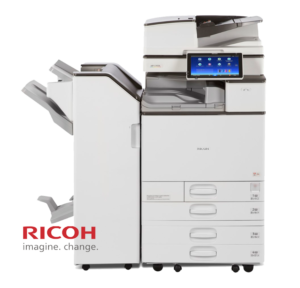
In today’s competitive business landscape, having reliable and efficient office equipment is essential for maintaining productivity. JR Copier is proud to offer a hassle-free lease-to-own program that allows businesses to upgrade their office with top-of-the-line copiers and printers. With leading brands like Xerox and Ricoh and flexible terms tailored to meet your unique needs, our program provides cutting-edge technology, expert support, and cost-effective solutions. Don’t let outdated office equipment hold you back. Contact JR Copier today to unlock the power of hassle-free lease-to-own copiers and printers.

The Benefits of Hassle-Free Lease-To-Own Copiers and Printers

The benefits of hassle-free lease-to-own copiers and printers include comprehensive coverage for equipment cost, maintenance, repairs, and support. With this program, businesses can enjoy a comprehensive solution that takes care of all their copier and printer needs, without the worry of unexpected costs. The affordable transition to lease-to-own allows for manageable monthly payments, eliminating the need for a large upfront investment. Moreover, businesses can stay ahead with the latest technology in office copiers and printers, ensuring they have access to cutting-edge equipment. Expert support is also provided throughout the process, with a dedicated team available to assist with equipment selection and ongoing assistance. With flexible terms tailored to the needs of small businesses and larger enterprises, the lease-to-own program offers a pathway to ownership for those who desire it. Overall, this program provides a cost-effective and hassle-free approach to upgrading office equipment, making it an excellent choice for businesses seeking a seamless solution.

Stay Ahead With the Latest Office Technology

Embrace cutting-edge office technology and stay ahead with the latest advancements in copiers and printers. To ensure your office remains at the forefront of innovation, consider the following:

  1. High-Speed Performance: Upgrade to a state-of-the-art color laser multifunction printer copier scanner that offers rapid printing speeds, allowing you to complete tasks efficiently.
  2. Enhanced Connectivity: Opt for a printer that supports wireless connectivity, enabling seamless printing from various devices such as laptops, smartphones, and tablets.
  3. Advanced Security Features: Protect sensitive information with advanced security features like user authentication, data encryption, and secure printing, ensuring that your office remains secure.
  4. Eco-Friendly Solutions: Choose environmentally friendly printers that utilize energy-saving features, such as automatic duplex printing and low power consumption, reducing your carbon footprint.

Expert Support for Your Office Upgrade

Partnering with experienced professionals ensures a smooth and successful office upgrade. When upgrading your office with lease-to-own copiers and printers, expert support is crucial to ensure that you make the right equipment selection and receive ongoing assistance. JR Copier, a trusted provider of office solutions, offers dedicated support throughout the entire process. Their team of experts will help you choose the most suitable equipment for your needs, taking into consideration your budget and requirements. They will guide you through the lease-to-own program, providing all the necessary information and answering any questions you may have. With professional support, you can confidently navigate the upgrade process and ensure that your office is equipped with state-of-the-art technology. Trust JR Copier for all your office upgrade needs and experience the benefits of expert assistance.

Tailored Lease-To-Own Plans for Your Business

Choose from a variety of flexible lease-to-own plans that are tailored to meet the specific needs of your business. Here are four reasons why our lease-to-own plans are the perfect solution for your office upgrade:

  1. Customizable Options: Our lease-to-own plans can be customized to fit your budget and requirements. Whether you need a high-speed printer for a large enterprise or a compact copier for a small business, we have the perfect solution for you.
  2. Affordable Payments: Instead of a large upfront cost, our lease-to-own plans offer manageable monthly payments. This allows you to upgrade your office equipment without straining your budget.
  3. Technology Upgrades: With our lease-to-own plans, you can stay ahead of the curve by accessing the latest office copiers and printers. This ensures that your business is equipped with cutting-edge technology for increased efficiency and productivity.
  4. Expert Assistance: Our dedicated team of experts will guide you through the equipment selection process and provide ongoing support. We are committed to helping you find the perfect lease-to-own plan that suits your business needs.

Join our community of satisfied customers and upgrade your office with our hassle-free lease-to-own copiers and printers. Experience the benefits of tailored plans, affordable payments, advanced technology, and expert support. Contact us today to get started on your office upgrade journey.

Access Cutting-Edge Equipment for Your Office

Upgrade your office with the latest cutting-edge equipment and enjoy increased efficiency and productivity. Access to cutting-edge equipment is crucial in today’s fast-paced business environment. With the lease-to-own program offered by JR Copier, you can stay ahead of the competition by utilizing state-of-the-art office copiers and printers. These cutting-edge machines are equipped with advanced features such as high-speed printing, large LCD touch screens, and one-pass-duplex scanning. By upgrading your office equipment, you can streamline your workflow, reduce downtime, and improve the quality of your output. The expert support provided by JR Copier ensures that you select the right equipment for your specific needs and receive ongoing assistance throughout the lease period. Don’t miss out on the opportunity to access cutting-edge equipment for your office. Contact JR Copier today and take your office to the next level of excellence.

The Pathway to Ownership: Lease-To-Own Program

With a lease-to-own program, businesses have the opportunity to take ownership of the equipment they need for their office. Here are four reasons why a lease-to-own program can be the pathway to ownership for your business:

  1. Financial Flexibility: Instead of a large upfront cost, businesses can make manageable monthly payments, allowing for better cash flow management.
  2. Upgrade to the Latest Technology: Lease-to-own programs offer access to cutting-edge copiers and printers, ensuring that your office stays ahead with the latest advancements.
  3. Expert Guidance: Dedicated teams provide expert assistance throughout the selection process, ensuring that you choose the right equipment for your specific business needs.
  4. Ownership at the End: At the end of the lease term, businesses have the option to purchase the equipment, giving them full ownership and eliminating the need for further payments.

Eliminate Unexpected Costs With a Seamless Program

Streamline your expenses by implementing a cost-effective program that seamlessly eliminates unexpected costs. When it comes to office equipment, unexpected expenses can quickly add up and disrupt your budget. However, with a lease-to-own program, you can eliminate these unexpected costs and maintain a seamless workflow in your office.

With a lease-to-own program, all-inclusive copiers and printers are provided, covering not only the equipment cost but also maintenance, repairs, and support. This comprehensive solution ensures that you have the necessary resources to keep your office running smoothly without any unexpected financial surprises.

By opting for a lease-to-own program, you can also benefit from affordable transition options. Instead of a large upfront cost, you can manage monthly payments that fit within your budget. This allows you to allocate your financial resources more efficiently and invest in other areas of your business.

Furthermore, a seamless program provides access to the latest technology in copiers and printers. As technology continues to advance, it is crucial to stay ahead in order to remain competitive. With a lease-to-own program, you can upgrade to state-of-the-art equipment, ensuring that your office is equipped with the most advanced tools to enhance productivity and efficiency.

Expert support is also a key aspect of a seamless program. Throughout the leasing process, you will have a dedicated team to assist you in selecting the right equipment and providing ongoing assistance. This ensures that you have the guidance and expertise needed to make informed decisions, allowing you to optimize your office setup.

Additionally, flexible terms are available to cater to the specific needs of your business. Whether you are a small business or a larger enterprise, tailored plans can be designed to accommodate your requirements. This level of customization ensures that you have a cost-effective program that aligns with your unique circumstances.

Transform Your Office Into an Efficient Workspace

Efficiently transform your office into a productive workspace by optimizing workflow and utilizing cutting-edge technology. Here are four ways to achieve this:

  1. Streamline Operations: Implement efficient document management systems and automated processes to minimize manual tasks and save time.
  2. Upgrade Your Equipment: Invest in lease-to-own copiers and printers that offer advanced features like high-speed printing, wireless connectivity, and cloud integration.
  3. Enhance Collaboration: Equip your office with multifunctional devices that allow for seamless sharing and collaboration among team members.
  4. Improve Security: Protect sensitive information by choosing copiers and printers with built-in security features such as user authentication and data encryption.

Upgrade Your Office Hassle-Free With JR Copier

JR Copier offers a hassle-free solution for upgrading your office with lease-to-own copiers and printers. As a leading provider of office solutions, JR Copier understands the importance of having efficient and reliable equipment in the workplace. With their lease-to-own program, you can easily upgrade your office without the burden of a large upfront cost. Their comprehensive solution covers equipment cost, maintenance, repairs, and support, ensuring that you have everything you need to keep your office running smoothly. With access to cutting-edge technology and expert assistance throughout the process, JR Copier provides a seamless and cost-effective office upgrade. By partnering with JR Copier, you can embrace a hassle-free approach to office equipment and transform your workspace into a more efficient and productive environment. Contact JR Copier today to get started on your office upgrade.